
The Sarbanes-Oxley Act of 2002 (SOX), primarily known for its stringent financial reporting and corporate governance regulations, also has significant implications for corporate data management practices. One of the often overlooked aspects of SOX is its relevance to data destruction, a crucial component in maintaining compliance with data integrity and security standards. Here, we highlight some best practices for SOX compliance, especially regarding end-of-life electronics, ensuring companies protect and dispose of sensitive information appropriately.
The Relevance of the Sarbanes-Oxley Act to Data Destruction
Understanding the Sarbanes-Oxley Act
 SOX was enacted in response to major corporate scandals like Enron and WorldCom to increase transparency in financial reporting and hold companies accountable for their financial practices. Key provisions include:
- Enhanced financial disclosures
- Increased corporate responsibility
- Stricter penalties for fraudulent financial activity
- Enhanced internal controls and audit requirements
Data Destruction and SOX Compliance
While SOX does not explicitly mandate data destruction, its requirements for record retention and internal controls imply a structured approach to handling and disposing of data, especially financial records. Here’s how SOX influences data destruction:
1. Record Retention Requirements
SOX Section 802 sets stringent guidelines on the retention of financial records.
Companies are required to maintain accurate and detailed records for a specified period. These guidelines require a clear policy for the retention and eventual destruction of records once they are no longer needed. The destruction of records must be managed carefully to ensure compliance with these retention schedules.
2. Internal Controls and Procedures
SOX Sections 302 and 404 require companies to establish robust internal controls to ensure the integrity of financial reporting. This includes controls over how data is archived and destroyed. Adequate internal controls should address the following:
- Identification of data that needs to be retained
- Secure storage methods
- Proper authorization for data destruction
- Documentation of the destruction process
Failure to properly manage data destruction could result in loss of critical records, leading to non-compliance and potential penalties.
3. Preventing Fraud and Data Tampering
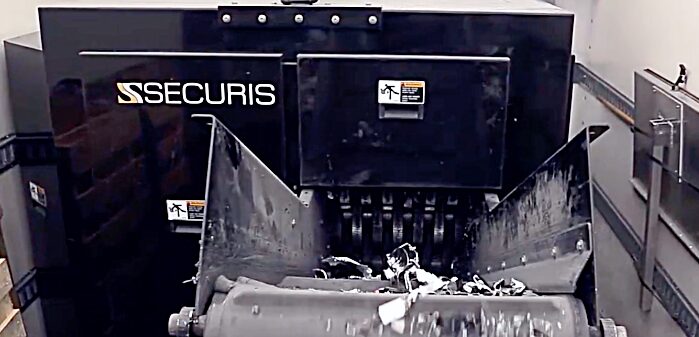
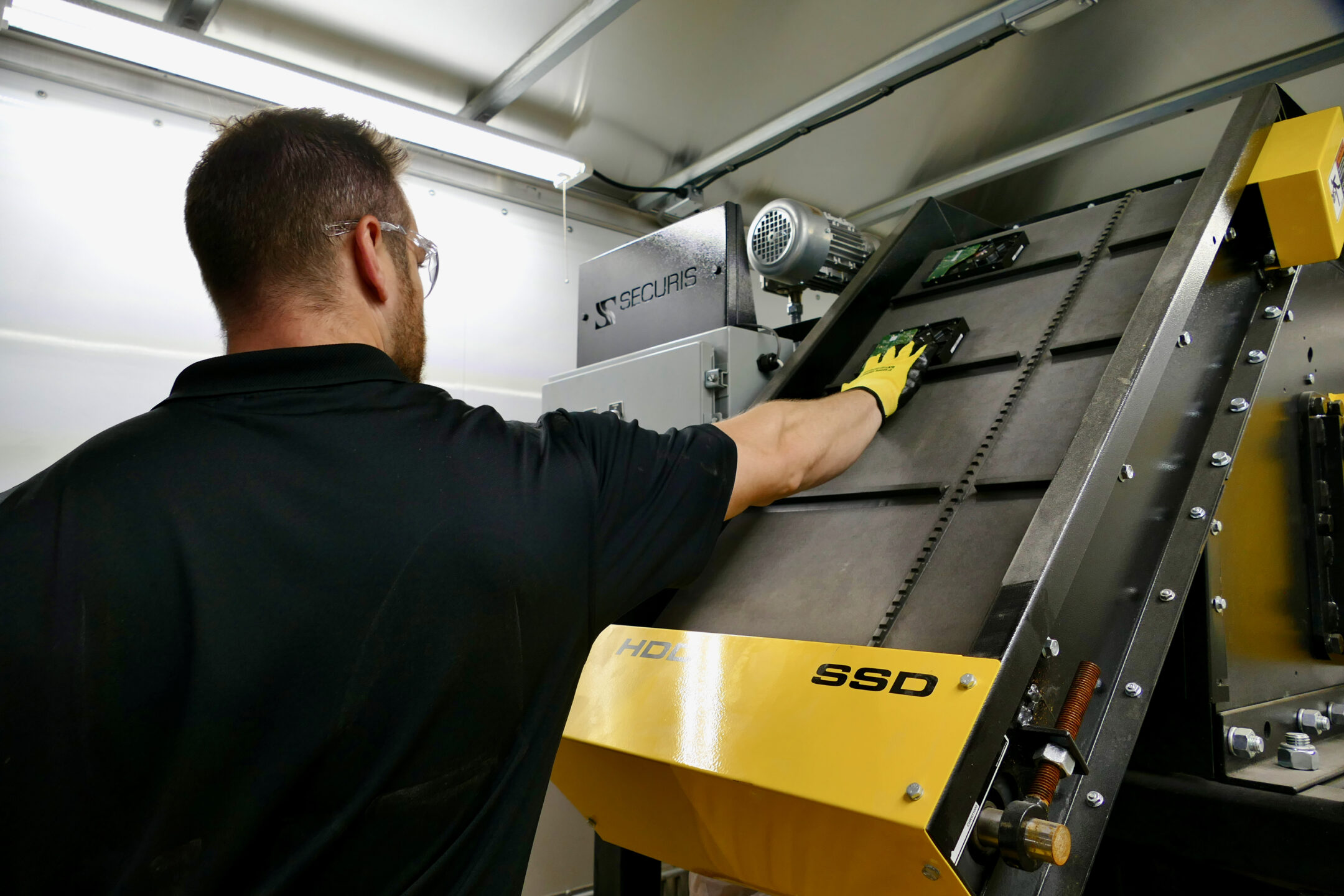
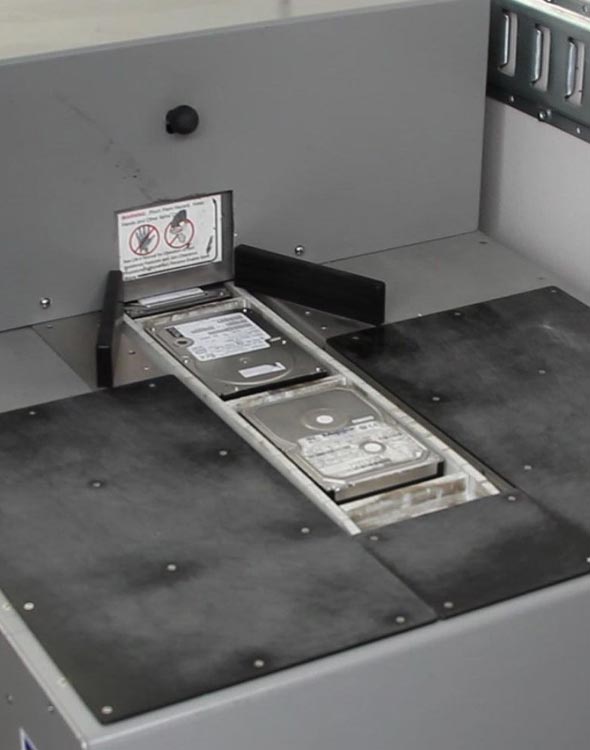
The prevention of fraud and data tampering is a core objective of SOX. Inadequate data destruction practices can leave sensitive financial data vulnerable to unauthorized access or tampering. By implementing secure data destruction policies, companies can protect against data breaches and ensure that obsolete records are permanently destroyed, thereby upholding the integrity of their financial reporting. Partnering with an experienced data destruction partner can increase this protection level and add another layer of protection to your process. Securis recently completed an on-site shredding job for a financial services company. They told us that all hard drives had been removed and that we could recycle the eight server cabinets. We found 86 drives (72 SSDs and 14 Hard Drives) upon inspection. We shredded the 86 drives, saving the company from what could have been an expensive breach. The missed 86 drives represented 15% of the total destroyed drives.
Best Practices for Data Destruction Under SOX
To align data destruction practices with SOX requirements, companies should consider the following best practices:
1. Develop a Comprehensive Data Retention and Destruction Policy
Create a clear policy that outlines the following:
- Retention periods for different types of records
- Procedures for secure destruction of paper and electronic records
- Roles and responsibilities for managing the process
2. Implement Secure Destruction Methods
Ensure that data is destroyed using methods that make it unrecoverable. This includes:
- Shredding for physical documents
- Degaussing or overwriting for magnetic media
- Wiping, Shredding, or Disintegration of electronic data
3. Audit and Monitor Compliance
Regularly audit data destruction processes to ensure compliance with SOX and internal policies. Monitoring should include:
- Verification of destruction methods
- Documentation of destruction activities, including a certificate of destruction
- Regular reviews of policies and procedures
4. Employee Training and Awareness
Educate employees on the importance of data destruction and their role in ensuring compliance. Training programs should cover:
- Legal Requirements for data storage and disposal
- Company policies and procedures for data storage and disposal
Conclusion
The Sarbanes-Oxley Act’s impact on data destruction is a critical but often underappreciated aspect of compliance. Companies can comply with SOX requirements and enhance their overall data security posture by understanding and implementing effective data destruction practices. Ensuring that obsolete data is properly destroyed protects against potential fraud, data breaches, and non-compliance penalties, ultimately contributing to a company’s integrity and trustworthiness. Partnering with a secure and certified data destruction and IT recycling partner like Securis can ensure your compliance with SOX and many other compliance standards.
If you’re ready to responsibly dispose of your company’s IT assets, contact Securis today. We’re here to help you protect your data, the environment, and your bottom line.

Related Blogs
ITAD ROI: How IT Leaders Capture More Value Through Accurate, Fast, and Secure IT Asset Disposition
Posted Nov 26th,2025Desktop Computers Awaiting Testing at Securis Secure Value Recovery: How IT Leaders Unlock ROI Through Accurate, Fast, ...

The Untapped Goldmine in Your Old Tech
Posted Jul 22nd,2025How Secure IT Asset Value Recovery Pays Off Every IT department has that moment: a stack of laptops being phased out,...

Smart Data Center Decommissioning Strategies for a Secure, Accurate, and Sustainable Transition
Posted Jun 10th,2025Why Secure Data Center Decommissioning Matters More Than Ever Decommissioning a data center isn’t just about shutti...
Why Choose Securis? IT Asset Disposition That IT Pros Count On
Posted May 5th,2025IT Asset Disposition Data Breach? Not on our watch. Managing end-of-life IT assets without opening the door to se...
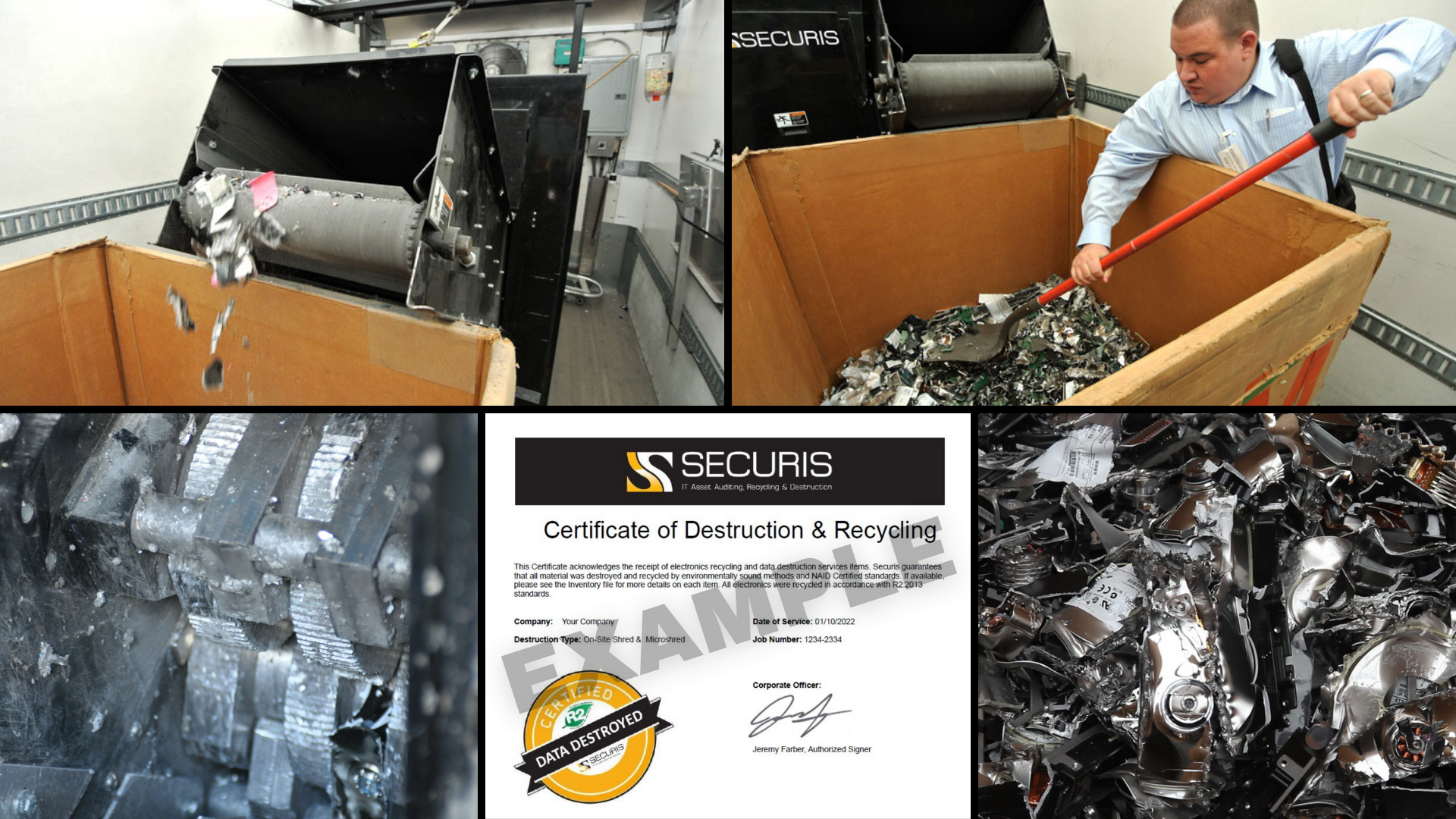
What is a Certificate of Data Destruction?
Posted Mar 26th,2025What Is a Certificate of Data Destruction—and Why It Matters to Your Organization A Certificate of Destruction is c...
Request for Proposal (RFP) for IT Asset Disposition (ITAD) services
Posted Mar 3rd,2025Creating a comprehensive Request for Proposal (RFP) for IT Asset Disposition (ITAD) services is crucial for organization...
How to Lower the Risk Associated with the Disposal of Organizational IT Assets
Posted Feb 4th,2025The transcript and the full video of the conversation between Kurt Greening, EVP at Securis, Greg Crabb, and Nick Crabb ...
What are the Different Hard Drive Data Destruction Methods?
Posted Dec 19th,2024Data security has become a paramount concern for individuals and organizations in today's digital environment. As we acc...

Is Your Smartphone Data Safe after a Factory Reset?
Posted Nov 14th,2024Smartphones are indispensable in our daily lives. We use them to stay connected, work remotely, navigate cities, track f...
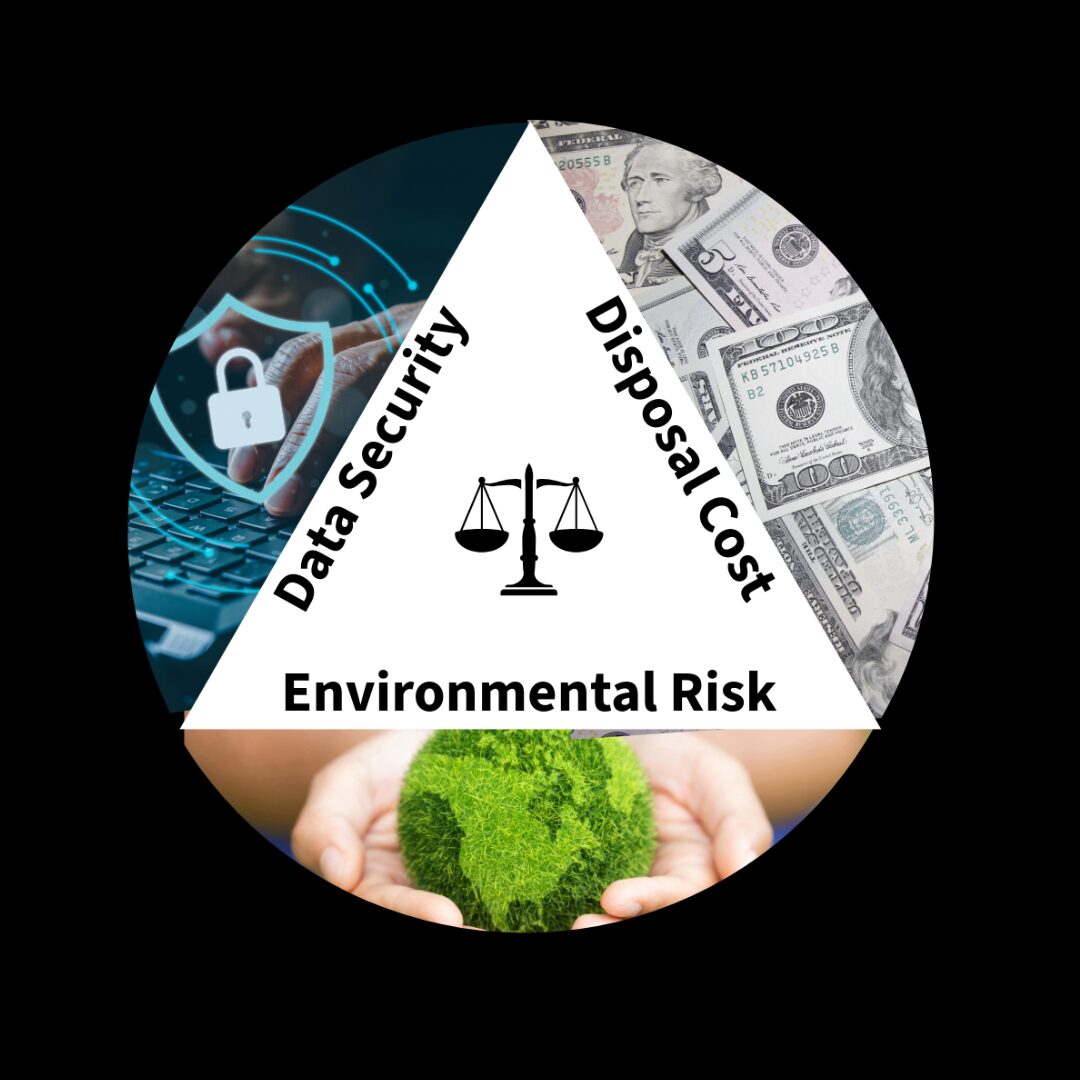
Balancing Data Security, Sustainability, and Disposal Costs for IT Asset Disposition (ITAD)
Posted Sep 5th,2024Finding Balance Between Information Security and Sustainability Electronic waste disposal (e-waste) has become a pres...

How to Send ESG Ratings Up and Data Security Risk Down
Posted May 17th,2024Environmental, Social, and Governance (ESG) ratings are increasingly scrutinized in today's corporate landscape, leaving...

What Is R2 Certification in E-Waste Recycling?
Posted Feb 29th,2024R2 certification, established by Sustainable Electronics Recycling International (SERI), is a global standard for any R2...

Reusing Decommissioned Data Center Equipment
Posted Mar 31st,2023Data centers seem to be popping up everywhere. As they close or upgrade, it’s important to reuse as possible in the da...

Are We Being “Smart” or Creating More E-waste?
Posted Feb 13th,2023Our smart devices are ever-evolving, from our phones to our watches and everything in between. Many are trying to keep u...

Is Your Android Sharing Your Secrets?
Posted Jan 9th,2023When your phone gets old, becomes out of date, or starts to break, it’s time to decide whether to sell it or trade it ...

Securis Attends DC's High Tech Prayer Breakfast
Posted Nov 22nd,2022On Thursday, November 10, 2022, Securis attended the 21st annual High Tech Prayer Breakfast. It's a unique event tha...
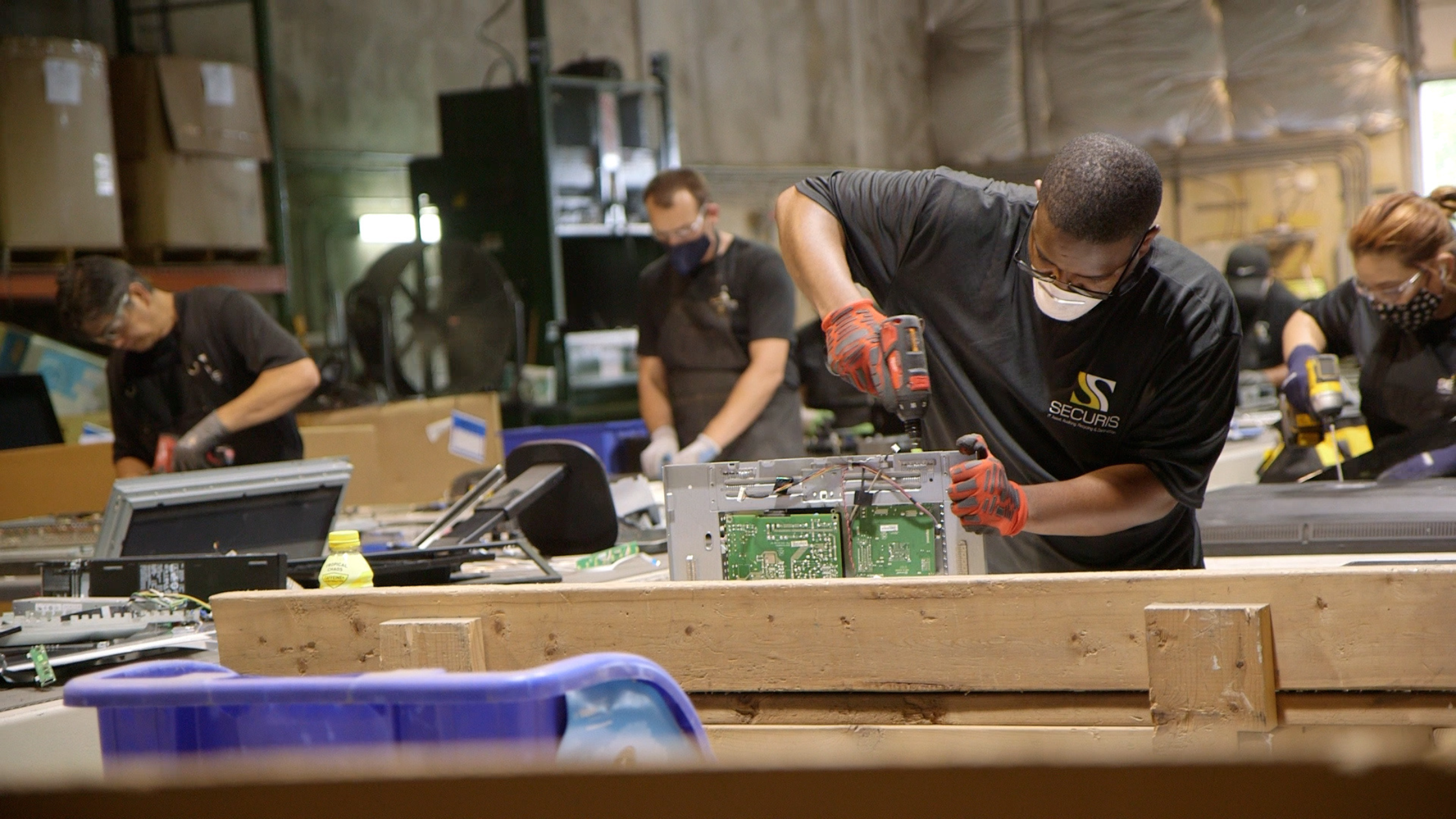
What Happens to Recycled Computer Parts?
Posted Oct 21st,2022At Securis, we process, disassemble, and recycle as much e-waste as we can in-house. Recycling your computer with us...

Why You Need HIPAA Compliant Data Destruction Services
Posted Jul 25th,2022In this day and age, it’s vital to keep your client’s personal information and data secure. Healthcare providers and...

Eighth-Grader Saves End-of-Life Electronics from Landfills
Posted Apr 13th,2022When his family threw out an old microwave, eighth-grader Eric Akers figured there must be a better way to get rid of ol...

Best eWaste Recycling Specialist Award Given to Securis
Posted Feb 12th,2022United Kingdom, 2022 – Acquisition International Magazine has announced the 2021 Global Green Business Awards winners....
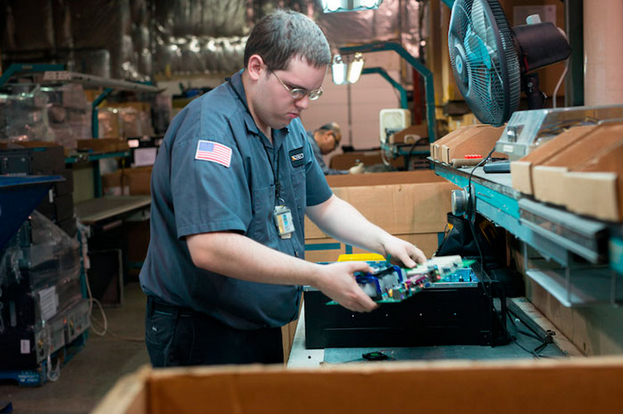
How to Take Apart a Computer for Recycling in 7 Steps
Posted Oct 27th,2021It's important to properly recycle computers and other e-waste. Electronics contain harmful substances such as arsenic a...

Recycling Technology Assets: A Business Revenue Stream
Posted Aug 2nd,2021For businesses, when times are tough, they look for every income stream possible. When times are booming, smart business...

The Securis Core Value Innovation at Work during a Power Outage
Posted Apr 8th,2021Securis is a strong believer in our Core Values and this week, one was put to the test. There was a large power outage i...
Why Chain of Custody Matters in E-Waste Asset Management
Posted Feb 8th,2021When it comes e-waste asset management, the chain of custody tracks where each asset is throughout the process. Accordin...

The Foods that Make Thanksgiving Thanksgiving
Posted Nov 25th,2020With Thanksgiving not looking the same for many families this year, we had a Securis group chat about which foods make T...

When Should You Use A Degausser to Destroy Data on Hard Drives?
Posted Sep 22nd,2020Remember back in the 80s and 90s the care, time, and effort it took to make a mixtape? Sure, the hard work was worth it ...
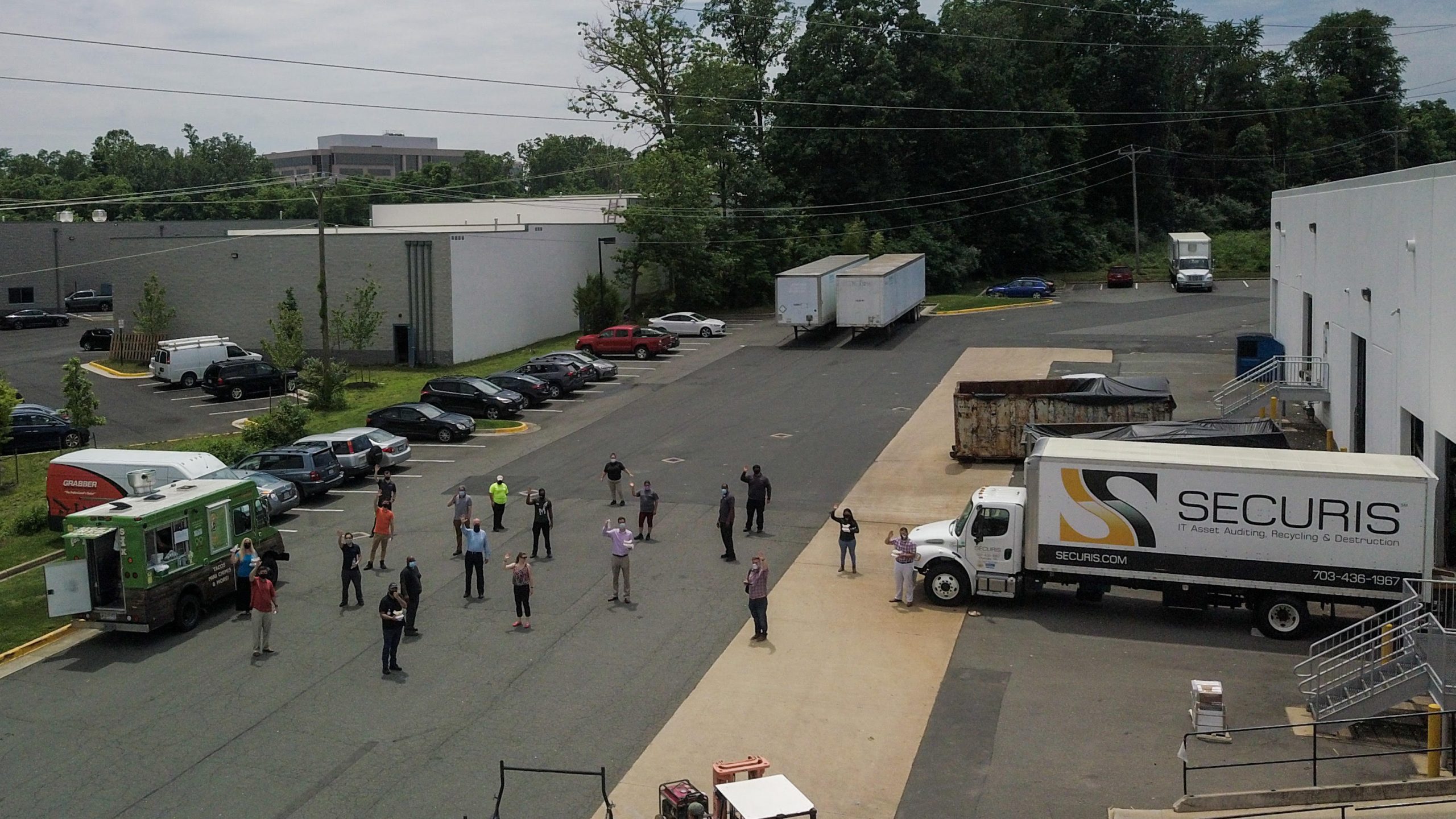
How To Reward Employees For A Job Well Done?
Posted Jun 25th,2020Small businesses are especially affected by the global pandemic, and Securis is no exception. While employees who are ab...

Celebrating Hard Work With Cool Treats
Posted May 15th,2020There's no doubt that the global pandemic has forever affected the world as we've known it. People are stressed out abou...
We're Here For You During Coronavirus
Posted Mar 19th,2020Over the past 20 years Securis has been in business, we've seen many ups and downs, although the reality of the coronavi...

Happy New Year
Posted Dec 31st,2019Thank you for being a part of the Securis community. 2019 has been a great year for us. We're honored to be trusted by o...
Data Protection Regulations and Opportunities You Should Know
Posted Jul 22nd,2019The biggest news in data protection in the last several years was the GDPR changes in the European Union. Those privacy ...
How to Find a Responsible E-Waste Partner
Posted May 29th,2019How many times have you upgraded your smartphone over the last 5 years? If you’re an average tech enthusiast, chances ...

Dell Recycles 2 Billion Pounds of E-Waste
Posted Mar 5th,2019There can be no doubt that the technological advancements of the digital age have produced a myriad of benefits. Acc...
How Artificial Intelligence Can Improve Data Security
Posted Dec 4th,2018Digitization has brought tremendous benefits to multiple industries, including trade, banking, and healthcare, but it ha...

The Rise of the Recycled Metal Market
Posted Oct 10th,2018Metal recycling has become an increasingly important factor in environmental as well as economic outcomes. After all, me...
Improving the Recovery of E-Waste
Posted Aug 29th,2018Now more than ever, it’s important for the world to embrace healthy recycling practices and pass stronger policies to ...
Planned IT Obsolescence Poses an Environmental Threat
Posted Jul 2nd,2018It turns out, planned obsolescence is not only harmful to a consumer’s wallet; it’s a considerable danger to the env...
E-Scrap Processor Caught with a FORGED R2 Certificate
Posted Feb 19th,2018The electronics recycling industry is a heavily regulated industry that requires companies to gain certifications to ens...

Securis Giving Back and Being of Service
Posted Dec 18th,2017The holidays are a wonderful time to reflect on giving back and being of service to support our local and global communi...

Wiping Isn’t Enough, You Must Destroy Data to Protect Your Data
Posted Sep 20th,2017Unlike the movies from the 1980s would lead us to believe, wiping a hard drive doesn’t remove the information from it ...
Five Reasons to Shred Your Old Smartphones
Posted Nov 29th,2016Smartphones can connect to almost every part of your business network, every file and email, dashboards, apps, and all o...

Great Video on E-Waste Not being Recycled Correctly
Posted Apr 6th,2016We came across this powerful story as another reminder of why we should care about what happens to our old electronic eq...

Securis and 6th graders – What’s the Deal?
Posted Nov 13th,2015Securis and 6th graders – What’s the deal? A group of enthusiastic 6th graders recently visited the Chantilly VA l...

Featured on Technical.ly Baltimore
Posted Aug 27th,2014Securis franchise owners George Parks and Daniel Dodd, who own and operate the data destruction and electronics recycli...

Asset disposal process for solid state drives
Posted Sep 25th,2013We ran across a compelling article on Inside Analysis called, "Is Spinning Disk About to Die?" which argues we may be at...
Electronics Recycling FAQs
Posted Apr 6th,2012Why Should I Recycle? Most electronic consumers in the United States do not realize the impact of e-waste on the local ...