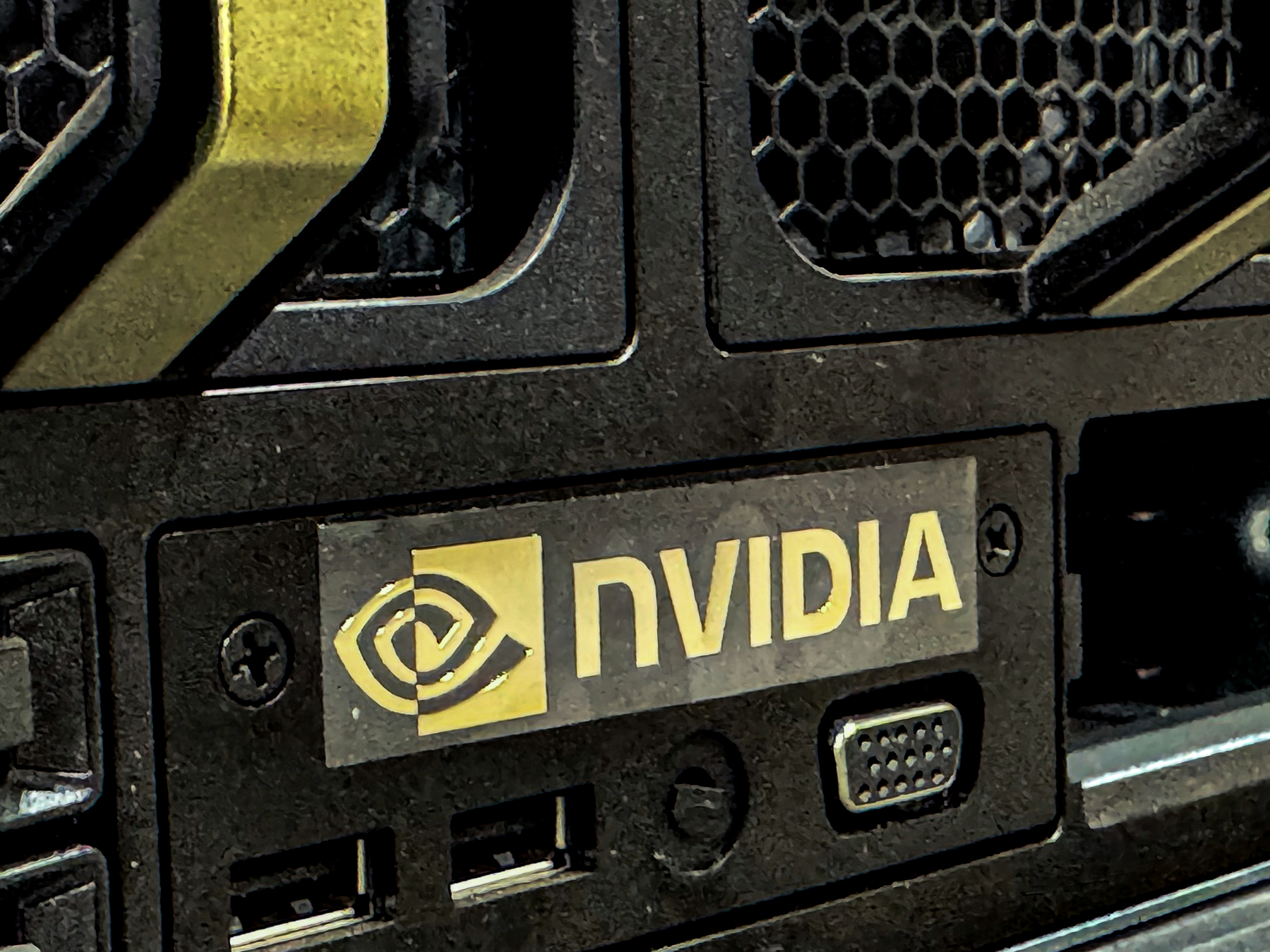
AI Server Recycling Is Redefining Data Center ITAD. Securis Is Already Built for It
Executive Summary: AI Server Recycling for Data Centers
- AI server recycling requires a new ITAD approach due to high-density GPUs and complex architectures
- Traditional ITAD providers are not equipped to process AI infrastructure at scale
- Data security risks are higher due to distributed data-bearing components
- Operational delays occur when vendors cannot handle high-performance systems
- AI hardware holds strong resale demand, especially GPUs
- Securis is built for AI server recycling with expanded power infrastructure
- DriveSnap AI improves inventory accuracy by scanning data drive labels
- The Triple Check process reduces risk by verifying missed data-bearing devices
- Securis delivers reporting in an average of three business days
- Proven Secure Value Recovery maximizes return through expanded remarketing
What Is AI Server Recycling?
AI server recycling is the secure disposal, data destruction, and value recovery of high-performance servers used for artificial intelligence workloads. These systems often include GPUs, dense configurations, and complex architectures that require specialized handling, NIST 800-88 compliant data destruction, and advanced remarketing to maximize asset value.
AI Infrastructure Requires a Different ITAD Strategy
AI servers concentrate more data risk, asset value, and operational complexity into fewer systems.
A single AI server can contain multiple high-value GPUs, dense memory configurations, and embedded data-bearing components. That changes how data centers must approach AI server recycling, data center server disposal, and ITAD for data centers.
Treating AI server recycling like standard server disposal creates gaps in:
- Security
- Execution
- Inventory accuracy
- Value recovery
Securis built its ITAD model around these realities.
AI Servers Are Exposing the Limits of Traditional ITAD
Legacy ITAD providers were built for standard enterprise hardware.
AI infrastructure introduces:
Extreme Value Density
A single GPU server can represent a significant concentration of asset value. Losing visibility into even one system impacts financial outcomes.
Power Requirements Most Facilities Cannot Support
Testing and refurbishment of AI servers requires sustained power capacity.
Securis has invested in expanded power infrastructure at its HQ facility to safely support AI server recycling, testing, and refurbishment.
System Complexity That Increases Risk
AI servers often include distributed storage and nontraditional architectures.
This increases the risk of missed data-bearing devices without proper inspection.
The Real Risks of AI Server Disposal
Security Risk: Data Does Not Live in One Place
AI infrastructure increases the likelihood of overlooked data-bearing components.
Securis addresses this through layered verification, including its Triple Check process: https://securis.com/resources/case-studies/how-securis-triple-check-guarantee-prevented-a-data-breach-for-a-financial-services-company/
This supports secure server data destruction and NIST 800-88 server destruction requirements.
Operational Risk: Bottlenecks That Delay Data Center Projects
AI server recycling requires speed and capacity.
If a vendor cannot process high density server disposal efficiently, projects stall.
Securis delivers an average three business day turnaround from pickup to reporting, supporting fast-moving data center decommissioning timelines.
Financial Risk: Lost Value in AI Hardware
AI infrastructure contains high-demand components including GPUs and enterprise hardware.
Without strong server remarketing services, organizations lose value.
Securis has expanded its Proven Secure Value Recovery capabilities to maximize return from AI server recycling.
What an AI-Ready ITAD Partner Must Deliver
Infrastructure That Matches AI Workloads
- High power capacity for AI server testing and refurbishment
- Ability to process high density and GPU-based systems
Securis has already made these investments.
Security That Holds Up Under Scrutiny
- NIST 800-88 compliant destruction
- Chain of custody
- Physical inspection and verification
Security is foundational to AI server recycling.
Accuracy That Eliminates Audit Risk
Accuracy Driven by AI
Manual scanning introduces errors. AI-powered tracking removes that risk.
Securis uses DriveSnap AI to scan and capture data drive labels, ensuring accurate serial number capture and inventory reporting for ITAD for data centers.
This supports audit-ready IT asset disposal and reduces reconciliation issues.
Speed That Supports Data Center Operations
Securis delivers inventory reports and certificates of destruction in an average of three business days.
This keeps data center server disposal projects on schedule.
Value Recovery That Reflects Market Demand
AI hardware requires specialized remarketing.
Securis provides:
- Expanded server remarketing services
- Strong resale channels for GPUs and enterprise hardware
- Secure handling throughout resale
How Securis Is Already Built for AI Server Recycling
While many ITAD providers are adapting, Securis is already operating at this level.
Power Infrastructure That Supports AI Systems
Securis has expanded facility power capacity to safely test and process AI servers.
Security That Eliminates Risk
- On-site shredding of HDDs and SSDs
- Triple Check layered verification
- Full chain of custody
This ensures secure server data destruction across complex AI systems.
Accuracy Through DriveSnap AI
DriveSnap AI scans data drive labels to capture critical information and improve inventory accuracy for data center ITAD.
Speed That Keeps Data Centers Moving
Three-day turnaround aligns with modern data center timelines and AI infrastructure deployments.
Proven Secure Value Recovery
Securis combines:
- Over 20 years of experience
- More than 120,000 items sold
- Strong resale performance
This enables maximum return from AI server recycling and GPU server disposal.
How to Recycle AI Servers Safely
- Identify all data-bearing components
- Secure and document chain of custody
- Perform NIST 800-88 compliant data destruction
- Verify devices through physical inspection
- Generate audit-ready inventory and certificates
- Recover value through secure remarketing
Work with a Partner That Is Already Prepared
AI infrastructure is redefining expectations for ITAD for data centers.
The wrong partner introduces risk, delays, and lost value.
Securis has already invested in:
- Power infrastructure for AI server recycling
- Secure data destruction processes
- AI-driven accuracy with DriveSnap AI
- Fast turnaround timelines
- Expanded remarketing capabilities
Get Ahead of Your Next Data Center Decommission
Speak with an ITAD specialist and build a plan that protects your data, maximizes asset value, and keeps your operations on schedule.
Get a customized AI server recycling plan today.
FAQ
Frequently Asked Questions About AI Server Recycling
1. What is AI server recycling?
AI server recycling is the secure disposal, data destruction, and value recovery of high-performance servers used for artificial intelligence workloads. These systems often include GPUs, dense configurations, and complex architectures that require specialized handling.
2. How is AI server recycling different from standard server disposal?
AI server recycling involves higher-value components, greater power requirements, more complex system configurations, and stronger resale demand. That means data center server disposal for AI hardware requires a more specialized ITAD process.
3. Why is data destruction more complex in AI servers?
AI servers may contain data across multiple components, not just traditional hard drives and solid state drives. Without careful inspection and layered verification, data-bearing devices can be missed.
4. What standard should be followed for AI server data destruction?
AI server data destruction should follow NIST 800-88 guidelines, include documented chain of custody, and provide audit-ready certificates of destruction.
5. What is the biggest risk in AI server disposal?
The biggest risk is missed data-bearing components that create security exposure, compliance issues, and potential breach risk. That is why secure server data destruction and physical verification are critical.
6. Can AI servers be resold after data destruction?
Yes. Many AI servers and their components, especially GPUs and enterprise hardware, have strong resale demand. With the right server remarketing services, organizations can recover meaningful value from retired AI infrastructure.
7. What should data centers look for in an AI server recycling partner?
Data centers should look for a provider with the power infrastructure to test high-performance systems, secure data destruction processes, strong inventory accuracy, fast turnaround times, and proven value recovery capabilities.
8. How does Securis handle AI server recycling differently?
Securis has expanded power resources at its headquarters to support AI server testing and refurbishment, strengthened server remarketing capabilities, delivers fast reporting, and provides layered security controls built for complex data center environments.
9. What is DriveSnap AI and how does it support ITAD?
DriveSnap AI is Securis’ branded tool that scans data drive labels to capture key information such as serial numbers. It improves inventory accuracy, reduces manual error, and supports audit-ready reporting.
10. What is the Triple Check process?
The Triple Check process is Securis’ layered verification approach that helps identify and validate missed data-bearing devices through multiple checkpoints before final processing.
11. How quickly can AI servers be processed and documented?
Securis delivers inventory reports and certificates of destruction in an average of three business days from pickup to job closure, helping keep data center decommissioning projects on schedule.
12. Why does speed matter in AI server recycling?
Fast processing reduces project delays, supports faster deployment of replacement infrastructure, and helps data centers close out decommissioning projects without unnecessary operational drag.

 Mid-funnel readers want clarity and confidence. They want to know how much IT Asset Disposition should cost, which factors change the budget, and how to avoid financial and compliance mistakes. They also want accountability across the entire lifecycle of their assets. This guide explains how to plan an ITAD budget that protects data, maintains compliance, and strengthens ROI without slowing down your team.
 Accurate inventory is the foundation of ITAD budgeting. Many vendors use manual data entry, which leads to errors and mismatches.
 Inventory and tagging, on-site shredding or wiping, pick up and logistics, secure chain of custody, processing and recycling, value recovery expectation, and certificate of destruction.