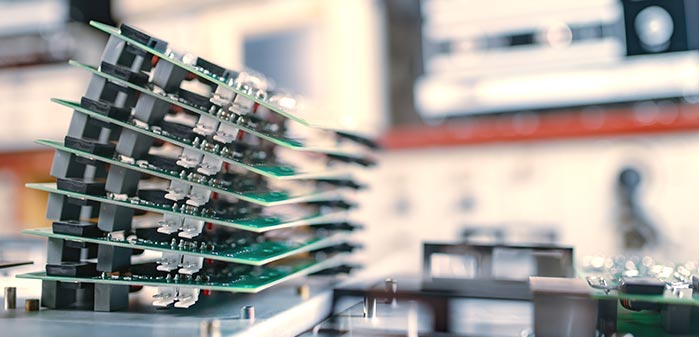
Top 10 E-Waste Recycling Misconceptions
The misconceptions around e-waste recycling can be deterring, but they aren’t the reality. If you have questions about IT equipment recycling, please reach out! We’re here to break these common myths about e-waste recycling!
“E-waste recycling is expensive.”
The truth about recycling is that it can be expensive, but sometimes you might even get paid to recycle! If your e-waste is in good condition, still usable, and you do not need to shred your hard drives, the resale value might surprise you.
“It’s not secure to recycle electronics.”
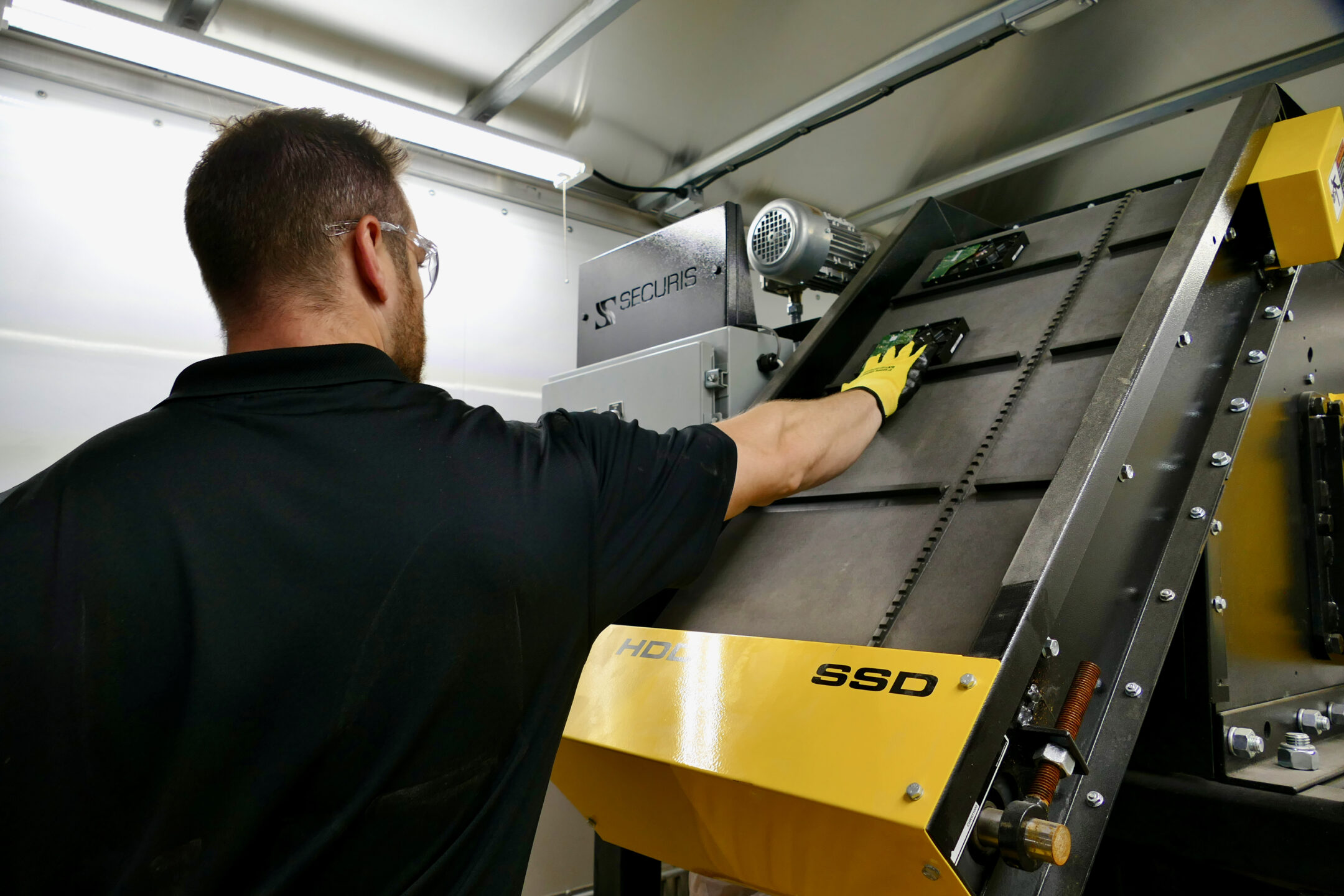
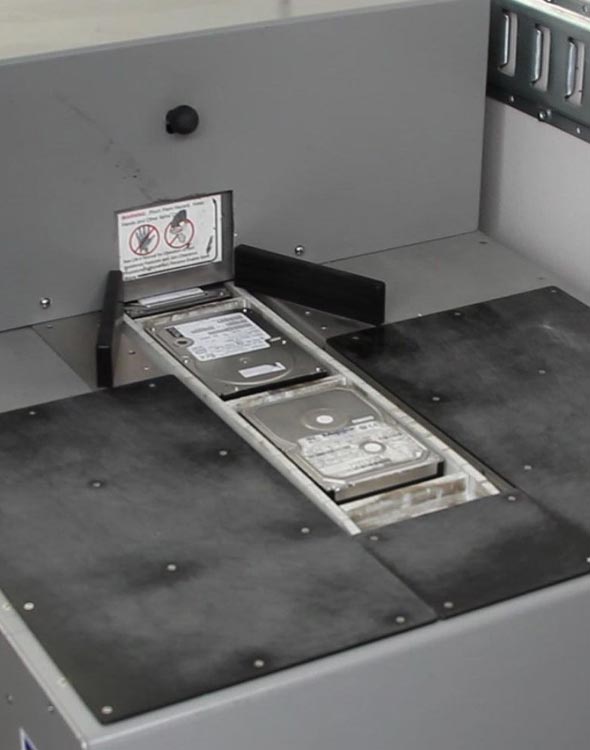
While this could be the case with some recyclers, choosing a company that also has data destruction services means there is no need to worry about personal data being accessed. Degaussing and shredding hard drives destroy any personal information that recycled devices contain.
“E-waste companies outsource the materials and still end up in landfills.”
While this is true for some e-waste recycling companies, if a company is appropriately vetted and has the proper certifications, like an R2 certification, then this does not apply.
“It could harm compliance agreements with clients.”
When choosing an e-waste recycling company, knowing how they’ll work with you and what exactly you can guarantee your clients is essential. At Securis, we scan every item collected so you can know what happens with those items from start to finish. We also have a chain of custody protocol to ensure we follow your personal needs.
“E-waste recycling is the perfect solution.”
While we wish it were the perfect solution, unfortunately, it is only one step in “Reduce, Reuse, Recycle.” The first step is a personal choice for both individuals and corporations. Reducing how often you replace computers, phones, etc, is essential. Just because they are outdated does not mean it’s time to upgrade. If there is nothing wrong with your technology, it’s best to keep using it. The next step is to reuse, so if you can buy something you need secondhand or even re-sell a piece of equipment that you’re upgrading, it can help eliminate unnecessary waste. The last step is to recycle. If it’s broken, it’s time to extract the recyclable materials. Unusable e-waste can be used for the materials that make them up, like copper, gold, and other precious metals.
“Donating and recycling are the same things.”
We’ve been taught that donating helps people in need, and while often that is the case, sometimes the donated items end up in the trash. If your donated computer works, but it’s from 2004, it may not be purchased. Depending on what organization you donate to, items may only sit on a shelf for a certain amount of time before they’re tossed out to make room for other, newer donations.
“All e-waste recycling companies are the same.”
If a company has branded itself as an electronics recycling company, it’s easy to believe that! However, just because they say that doesn’t mean everything will be recycled. It’s essential to thoroughly vet any recycling company before trusting them with your electronic waste.
“It is easy to recycle e-waste.”
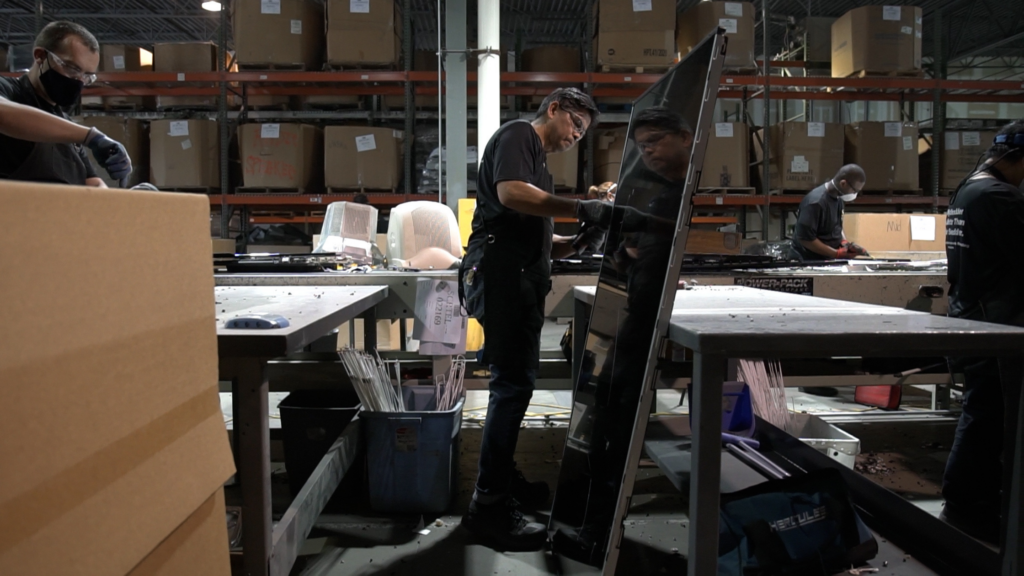
It may seem easy to throw a computer in a recycling bin; however, you might as well put electronics in the trash at that point. The recycling process for electronics starts by completely dismantling the equipment. Recycling facilities have the resources to collect metals, plastics, precious metals, and more from electronic devices to get the most out of the equipment.
“E-waste isn’t a big deal.”
Unfortunately, e-waste has become a huge international issue. From cell phones to TVs to computers and everything in between, the more technology we use, the more waste is produced.
“It’s a hassle to get rid of e-waste.”
When you find the right recycling company, recycling electronics becomes painless for the consumer. The right company will ensure that personal data is physically destroyed, excess materials aren’t being shipped overseas, and toxic materials are out of landfills.
If you have further questions about how to keep your end-of-life technology out of landfills, contact us today!

Related Blogs
ITAD ROI: How IT Leaders Capture More Value Through Accurate, Fast, and Secure IT Asset Disposition
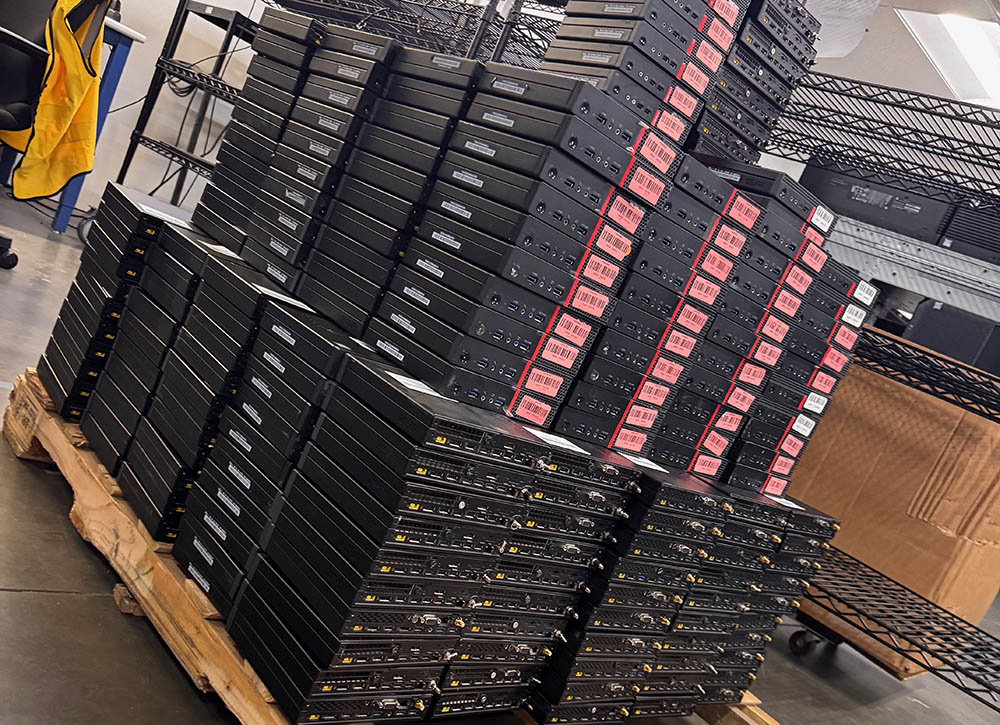
Posted Nov 26th,2025Desktop Computers Awaiting Testing at Securis Secure Value Recovery: How IT Leaders Unlock ROI Through Accurate, Fast, ...

The Untapped Goldmine in Your Old Tech
Posted Jul 22nd,2025How Secure IT Asset Value Recovery Pays Off Every IT department has that moment: a stack of laptops being phased out,...

Smart Data Center Decommissioning Strategies for a Secure, Accurate, and Sustainable Transition
Posted Jun 10th,2025Why Secure Data Center Decommissioning Matters More Than Ever Decommissioning a data center isn’t just about shutti...
Why Choose Securis? IT Asset Disposition That IT Pros Count On
Posted May 5th,2025IT Asset Disposition Data Breach? Not on our watch. Managing end-of-life IT assets without opening the door to se...
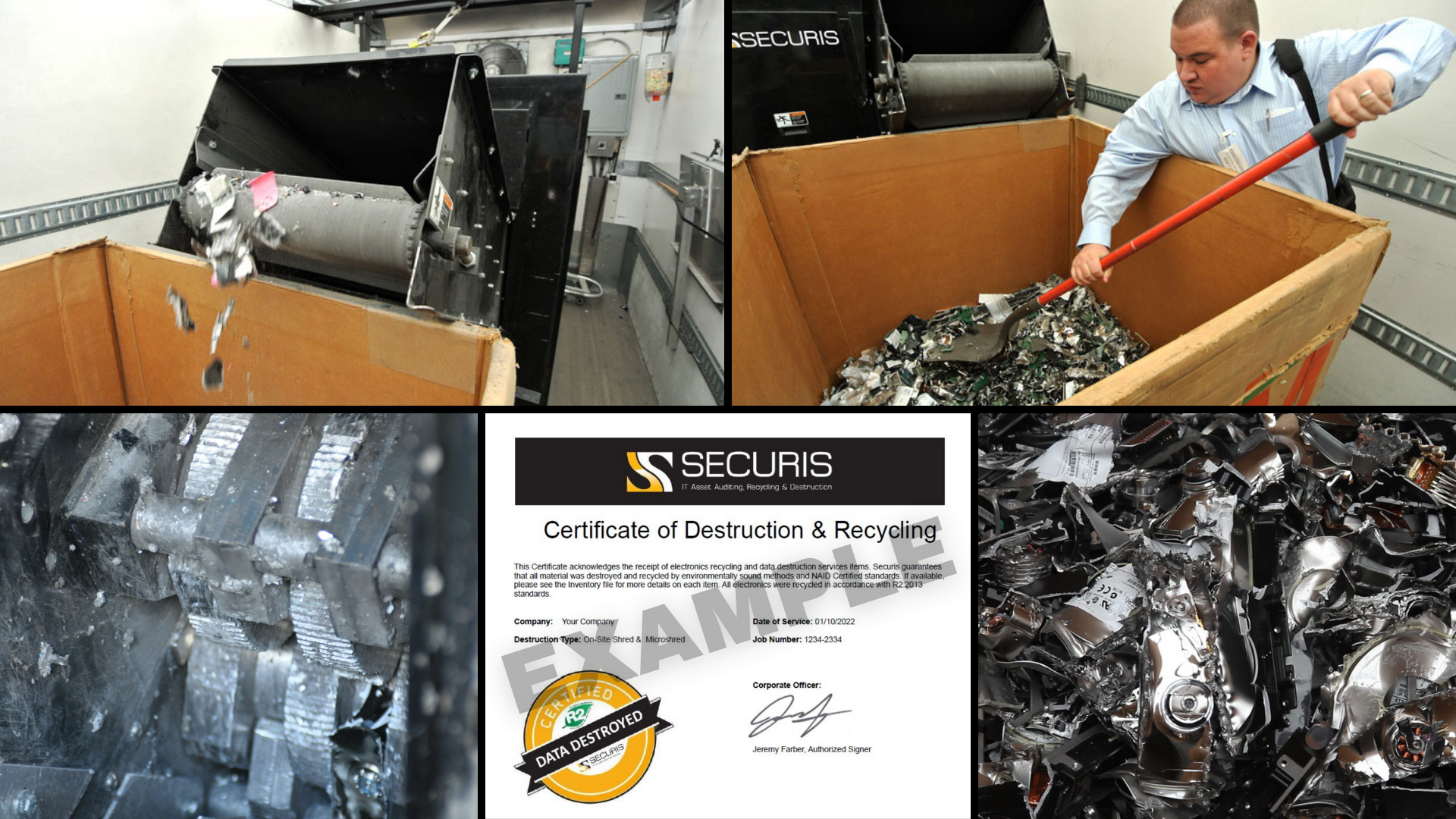
What is a Certificate of Data Destruction?
Posted Mar 26th,2025What Is a Certificate of Data Destruction—and Why It Matters to Your Organization A Certificate of Destruction is c...
Request for Proposal (RFP) for IT Asset Disposition (ITAD) services
Posted Mar 3rd,2025Creating a comprehensive Request for Proposal (RFP) for IT Asset Disposition (ITAD) services is crucial for organization...
How to Lower the Risk Associated with the Disposal of Organizational IT Assets
Posted Feb 4th,2025The transcript and the full video of the conversation between Kurt Greening, EVP at Securis, Greg Crabb, and Nick Crabb ...
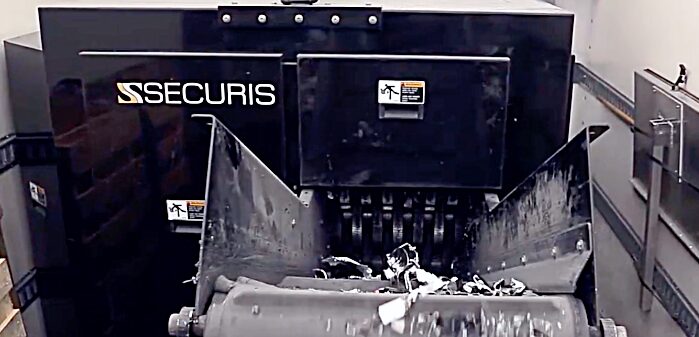
What are the Different Hard Drive Data Destruction Methods?
Posted Dec 19th,2024Data security has become a paramount concern for individuals and organizations in today's digital environment. As we acc...

The Relevance of the Sarbanes-Oxley Act to Data Destruction
Posted Nov 25th,2024The Sarbanes-Oxley Act of 2002 (SOX), primarily known for its stringent financial reporting and corporate governance reg...

Financial Institutions Need Secure Data Destruction Policies to Comply With The Gramm-Leach-Bliley Act (GLBA)
Posted Sep 27th,2024What is the Gramm-Leach-Bliley Act? Financial Institutions must comply with information security and privacy regulati...
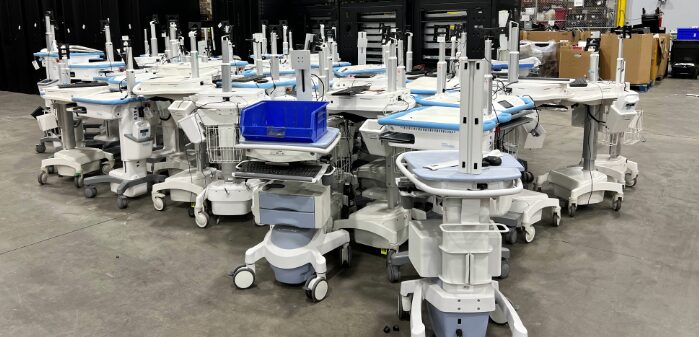
HITECH Compliance: Secure Medical Equipment Recycling & Data Destruction
Posted Jun 10th,2024In this article, learn: What is the HITECH Act? How do medical equipment recycling and data destruction support ...
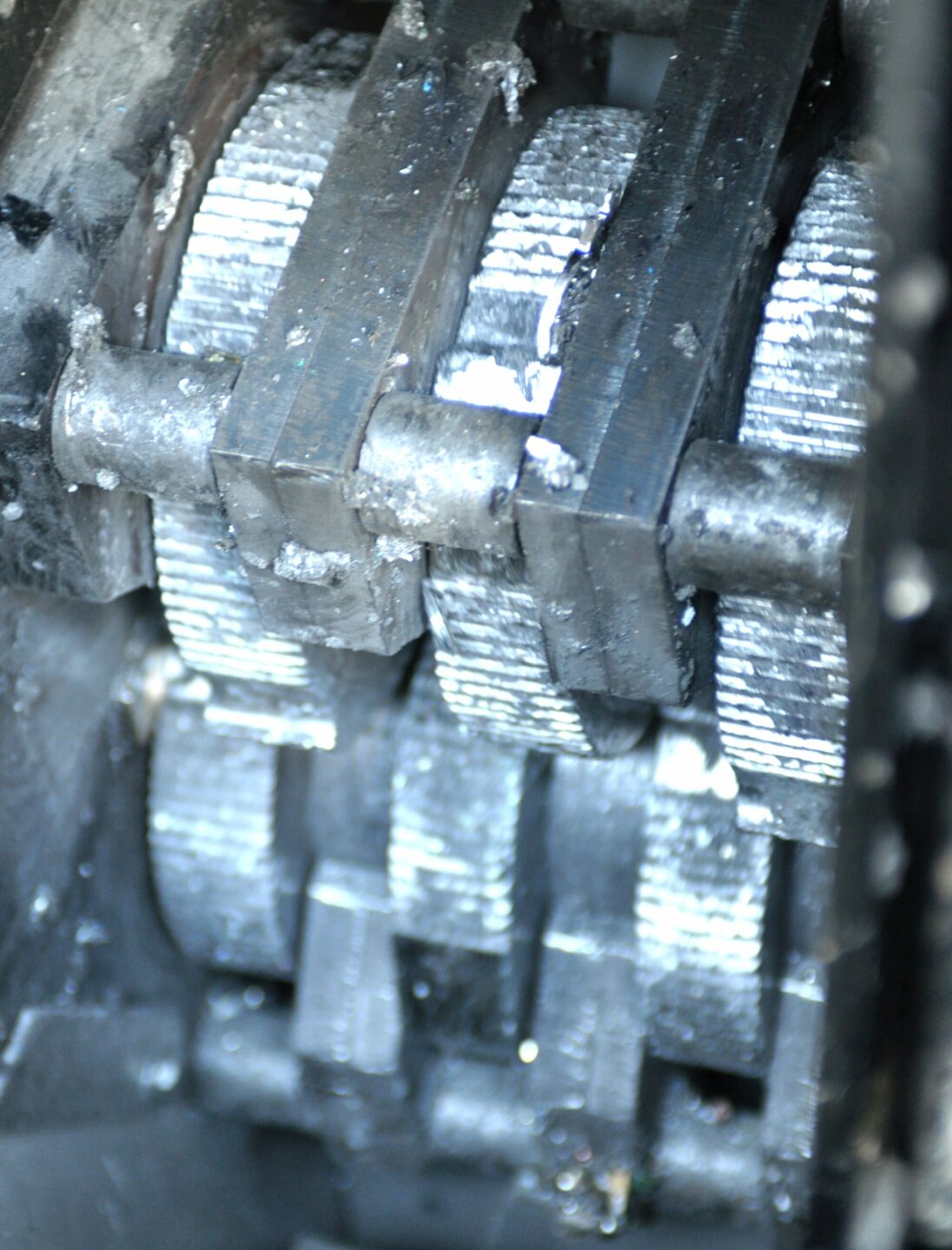
How Are Magnetic Hard Drives Shredded?
Posted Mar 7th,2024Quite a few customers have asked us exactly how we shred a hard drive. To help explain this, below are the steps that a ...
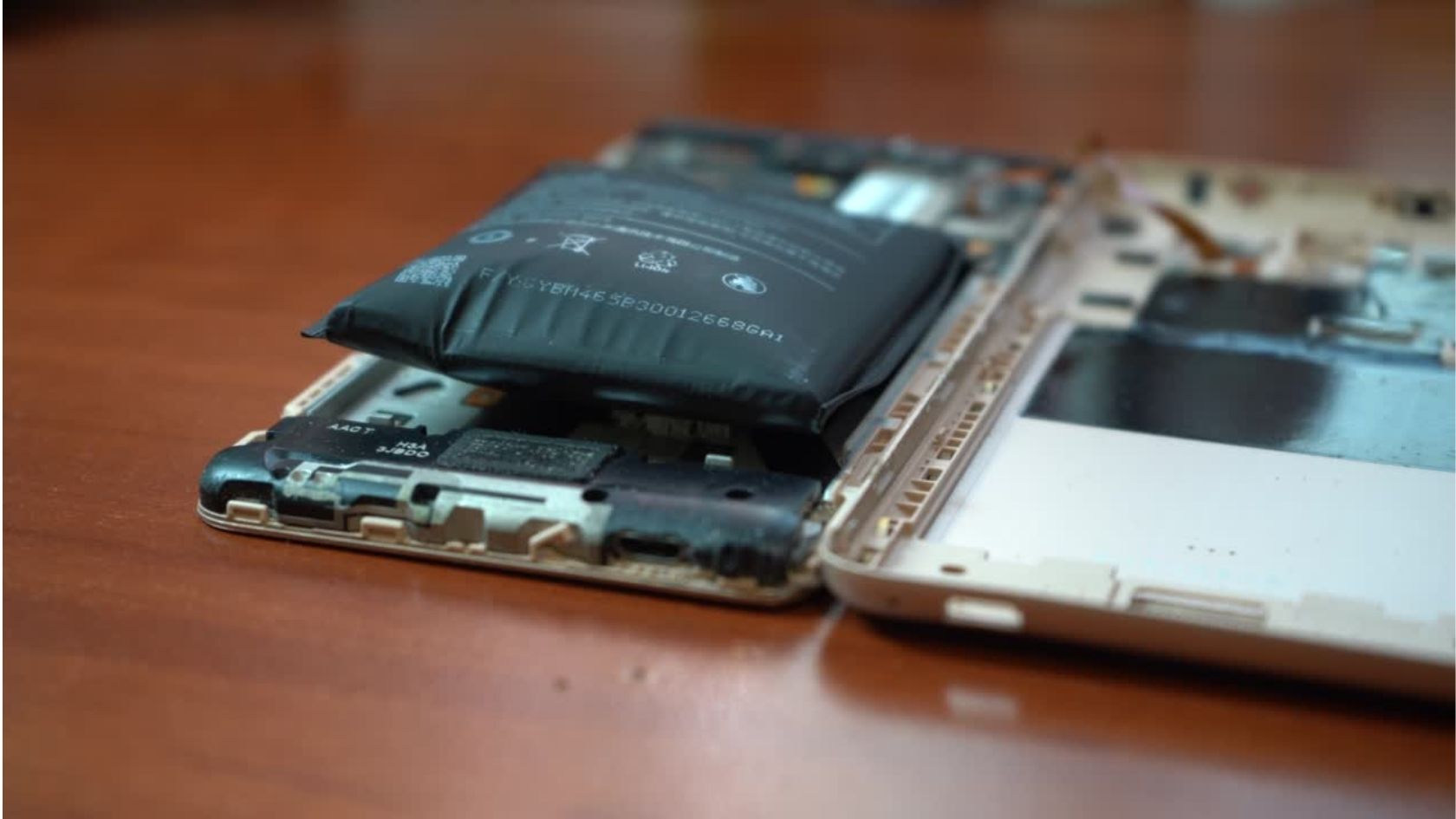
How to Recycle Batteries for IT Directors
Posted Apr 21st,2023Batteries are not only bad for the environment when we toss them in the trash, but they can be explosive. Varying types ...

Are We Being “Smart” or Creating More E-waste?
Posted Feb 13th,2023Our smart devices are ever-evolving, from our phones to our watches and everything in between. Many are trying to keep u...

Is Your Android Sharing Your Secrets?
Posted Jan 9th,2023When your phone gets old, becomes out of date, or starts to break, it’s time to decide whether to sell it or trade it ...

Securis Attends DC's High Tech Prayer Breakfast
Posted Nov 22nd,2022On Thursday, November 10, 2022, Securis attended the 21st annual High Tech Prayer Breakfast. It's a unique event tha...
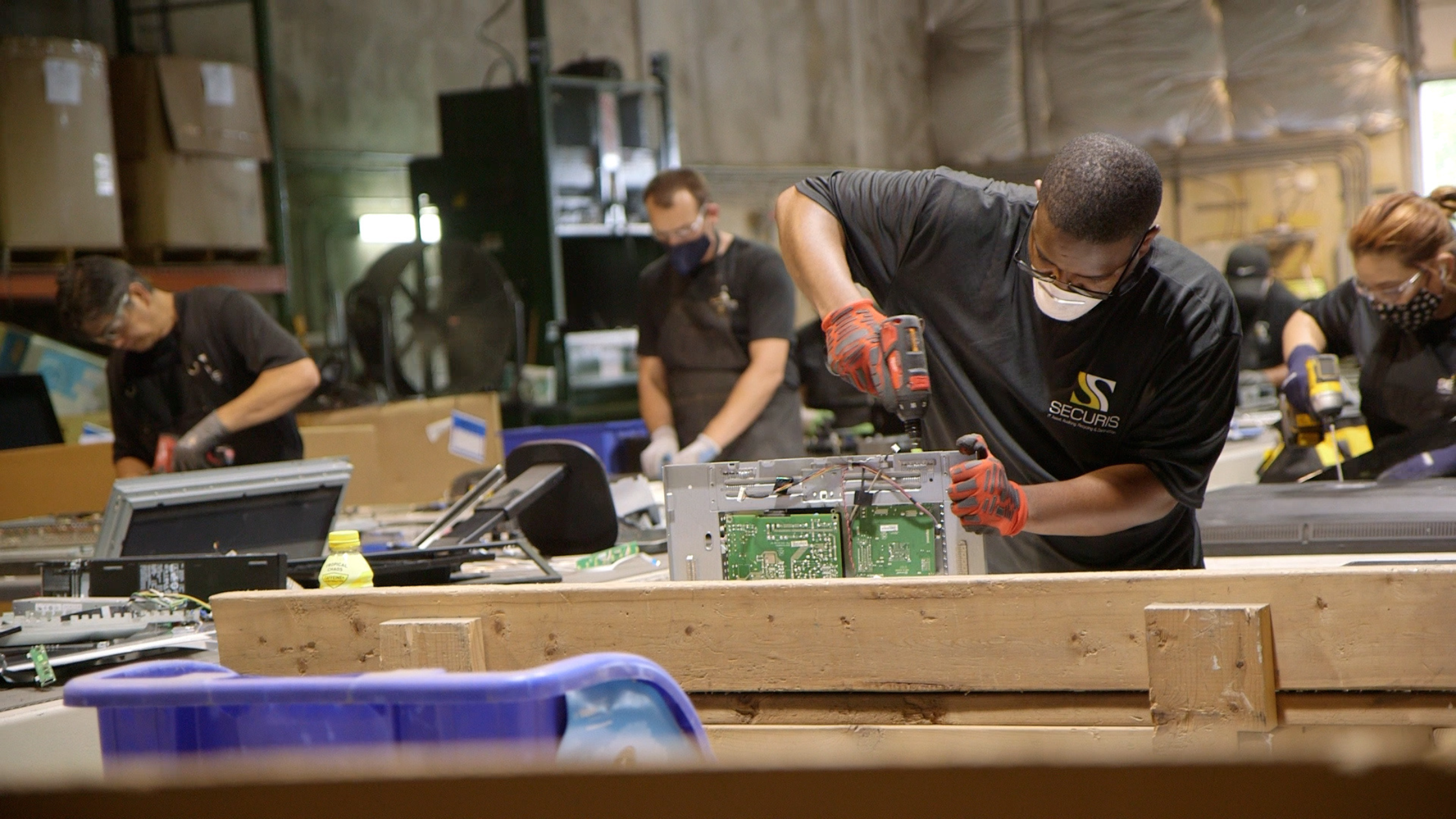
What Happens to Recycled Computer Parts?
Posted Oct 21st,2022At Securis, we process, disassemble, and recycle as much e-waste as we can in-house. Recycling your computer with us...

Why You Need HIPAA Compliant Data Destruction Services
Posted Jul 25th,2022In this day and age, it’s vital to keep your client’s personal information and data secure. Healthcare providers and...

Eighth-Grader Saves End-of-Life Electronics from Landfills
Posted Apr 13th,2022When his family threw out an old microwave, eighth-grader Eric Akers figured there must be a better way to get rid of ol...

Best eWaste Recycling Specialist Award Given to Securis
Posted Feb 12th,2022United Kingdom, 2022 – Acquisition International Magazine has announced the 2021 Global Green Business Awards winners....
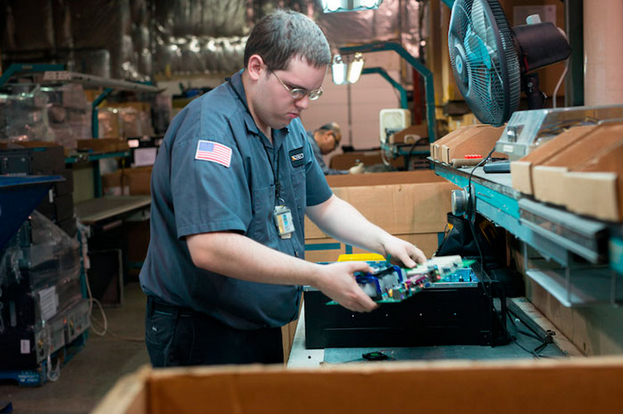
How to Take Apart a Computer for Recycling in 7 Steps
Posted Oct 27th,2021It's important to properly recycle computers and other e-waste. Electronics contain harmful substances such as arsenic a...

Recycling Technology Assets: A Business Revenue Stream
Posted Aug 2nd,2021For businesses, when times are tough, they look for every income stream possible. When times are booming, smart business...

The Securis Core Value Innovation at Work during a Power Outage
Posted Apr 8th,2021Securis is a strong believer in our Core Values and this week, one was put to the test. There was a large power outage i...
Why Chain of Custody Matters in E-Waste Asset Management
Posted Feb 8th,2021When it comes e-waste asset management, the chain of custody tracks where each asset is throughout the process. Accordin...

The Foods that Make Thanksgiving Thanksgiving
Posted Nov 25th,2020With Thanksgiving not looking the same for many families this year, we had a Securis group chat about which foods make T...

When Should You Use A Degausser to Destroy Data on Hard Drives?
Posted Sep 22nd,2020Remember back in the 80s and 90s the care, time, and effort it took to make a mixtape? Sure, the hard work was worth it ...
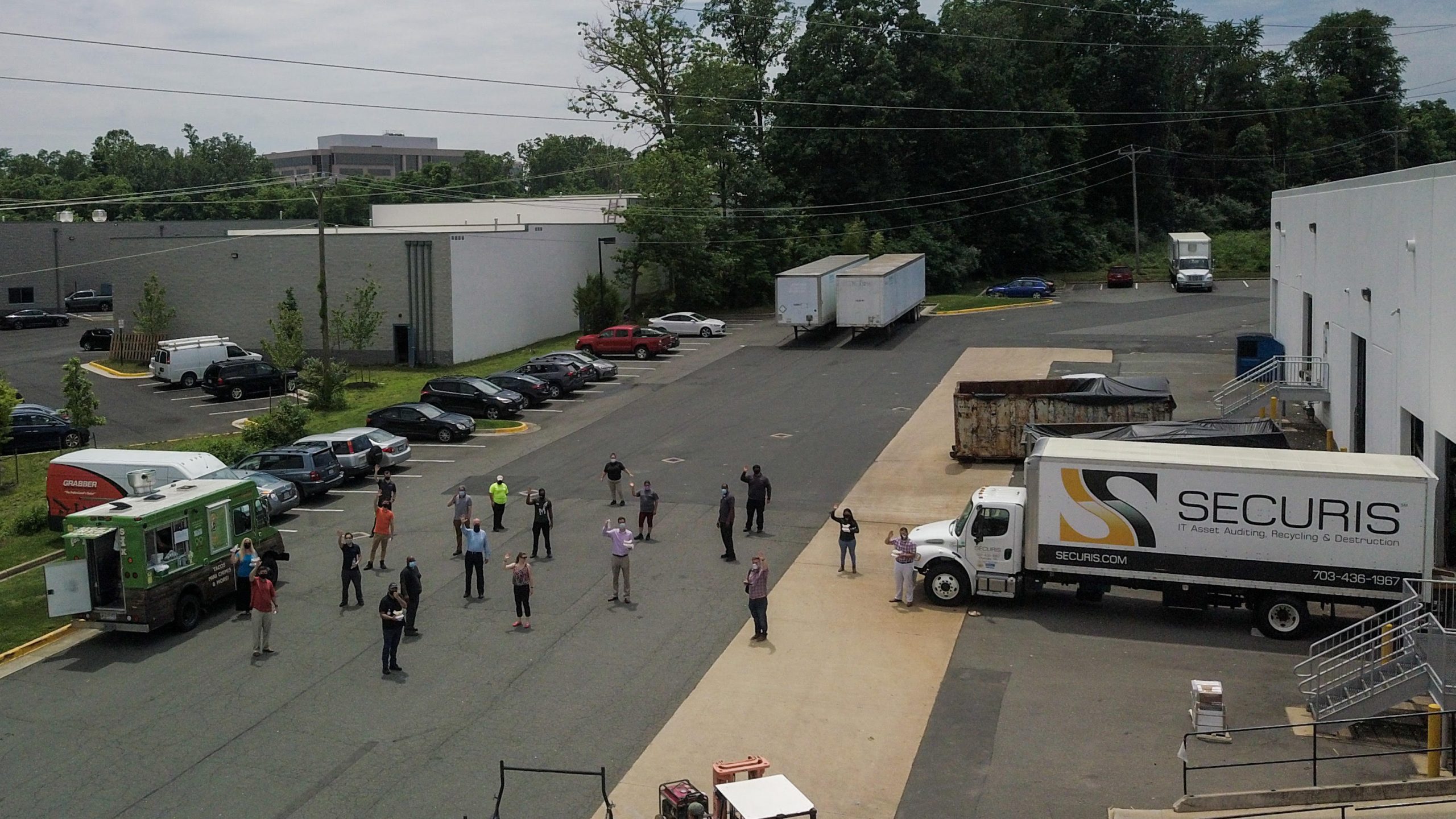
How To Reward Employees For A Job Well Done?
Posted Jun 25th,2020Small businesses are especially affected by the global pandemic, and Securis is no exception. While employees who are ab...

Celebrating Hard Work With Cool Treats
Posted May 15th,2020There's no doubt that the global pandemic has forever affected the world as we've known it. People are stressed out abou...
We're Here For You During Coronavirus
Posted Mar 19th,2020Over the past 20 years Securis has been in business, we've seen many ups and downs, although the reality of the coronavi...

Happy New Year
Posted Dec 31st,2019Thank you for being a part of the Securis community. 2019 has been a great year for us. We're honored to be trusted by o...
Data Protection Regulations and Opportunities You Should Know
Posted Jul 22nd,2019The biggest news in data protection in the last several years was the GDPR changes in the European Union. Those privacy ...
How to Find a Responsible E-Waste Partner
Posted May 29th,2019How many times have you upgraded your smartphone over the last 5 years? If you’re an average tech enthusiast, chances ...

Dell Recycles 2 Billion Pounds of E-Waste
Posted Mar 5th,2019There can be no doubt that the technological advancements of the digital age have produced a myriad of benefits. Acc...
How Artificial Intelligence Can Improve Data Security
Posted Dec 4th,2018Digitization has brought tremendous benefits to multiple industries, including trade, banking, and healthcare, but it ha...

The Rise of the Recycled Metal Market
Posted Oct 10th,2018Metal recycling has become an increasingly important factor in environmental as well as economic outcomes. After all, me...
Improving the Recovery of E-Waste
Posted Aug 29th,2018Now more than ever, it’s important for the world to embrace healthy recycling practices and pass stronger policies to ...
Planned IT Obsolescence Poses an Environmental Threat
Posted Jul 2nd,2018It turns out, planned obsolescence is not only harmful to a consumer’s wallet; it’s a considerable danger to the env...
E-Scrap Processor Caught with a FORGED R2 Certificate
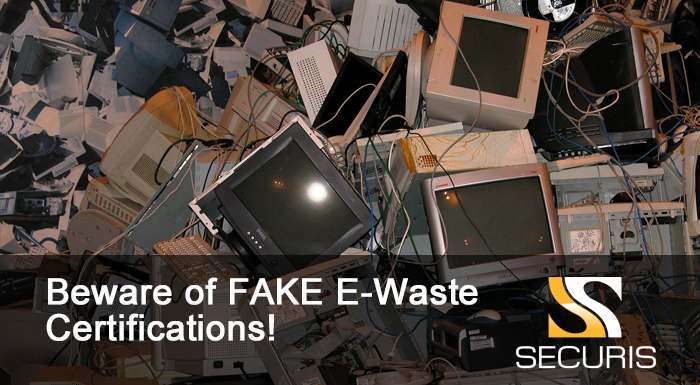
Posted Feb 19th,2018The electronics recycling industry is a heavily regulated industry that requires companies to gain certifications to ens...

Securis Giving Back and Being of Service
Posted Dec 18th,2017The holidays are a wonderful time to reflect on giving back and being of service to support our local and global communi...

Wiping Isn’t Enough, You Must Destroy Data to Protect Your Data
Posted Sep 20th,2017Unlike the movies from the 1980s would lead us to believe, wiping a hard drive doesn’t remove the information from it ...
Five Reasons to Shred Your Old Smartphones
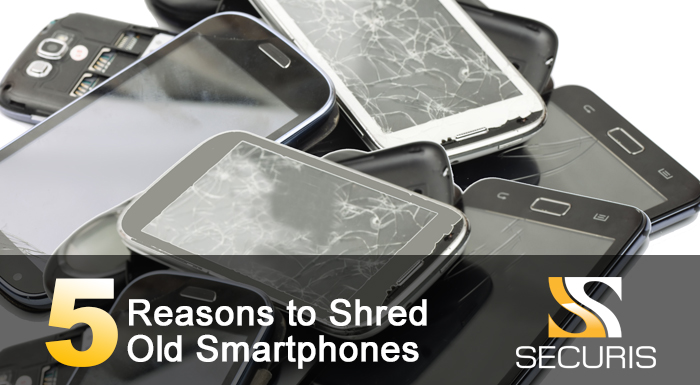
Posted Nov 29th,2016Smartphones can connect to almost every part of your business network, every file and email, dashboards, apps, and all o...

Great Video on E-Waste Not being Recycled Correctly
Posted Apr 6th,2016We came across this powerful story as another reminder of why we should care about what happens to our old electronic eq...

Securis and 6th graders – What’s the Deal?
Posted Nov 13th,2015Securis and 6th graders – What’s the deal? A group of enthusiastic 6th graders recently visited the Chantilly VA l...

Featured on Technical.ly Baltimore
Posted Aug 27th,2014Securis franchise owners George Parks and Daniel Dodd, who own and operate the data destruction and electronics recycli...
Asset disposal process for solid state drives
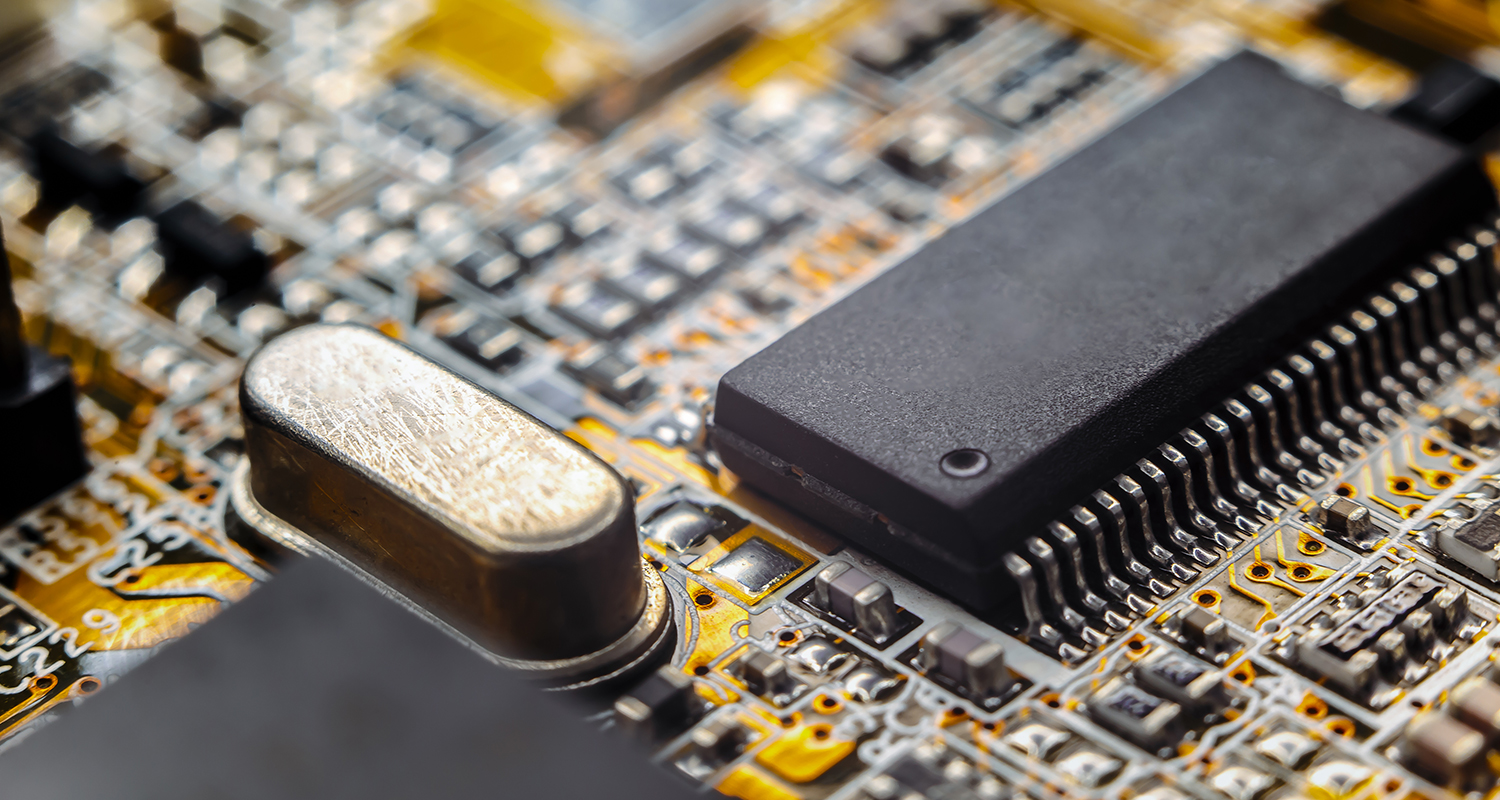
Posted Sep 25th,2013We ran across a compelling article on Inside Analysis called, "Is Spinning Disk About to Die?" which argues we may be at...
Electronics Recycling FAQs
Posted Apr 6th,2012Why Should I Recycle? Most electronic consumers in the United States do not realize the impact of e-waste on the local ...