HITECH Compliance: Secure Medical Equipment Recycling & Data Destruction
In this article, learn:
- What is the HITECH Act?
- How do medical equipment recycling and data destruction support HITECH compliance?
- How does Securis assist with the proper disposal of electronic medical equipment?
 In the digital age, where data reigns supreme and information proliferates across numerous platforms and devices, safeguarding sensitive medical data is paramount. The Health Information Technology for Economic and Clinical Health Act (HITECH) is a crucial piece of legislation in the United States that aims to enhance the protection of electronic health information. Among its provisions lies a critical aspect often overlooked: the secure and proper disposal of electronic medical equipment, including secure data destruction.
Mishandling sensitive patient information can lead to severe repercussions, including privacy breaches and financial penalties. Securely destroying medical records involves the systematic and irreversible deletion of data from electronic devices, such as computer hard drives or data storage devices in medical equipment, to prevent unauthorized access or retrieval. This process is essential for protecting patient confidentiality and HITECH compliance.
What Is the HITECH Act?
 Enacted in 2009, the HITECH Act was introduced as part of the American Recovery and Reinvestment Act (ARRA). Its primary objective was to promote the adoption and meaningful use of health information technology, thereby improving healthcare quality, safety, and efficiency.
Among its various provisions, the HITECH Act strengthened the privacy and security protections outlined in the Health Insurance Portability and Accountability Act (HIPAA). It extended the scope of HIPAA by encompassing business associates of covered entities, mandating stricter enforcement, and imposing substantial penalties for non-compliance.
Key Provisions of the HITECH Act Include:
- Expansion of HIPAA Regulations:
 The HITECH Act extends the scope of HIPAA by imposing stricter requirements on covered entities and their business associates regarding the security and privacy of electronic health information.
- Breach Notification Requirements:
Covered entities must notify individuals and relevant authorities in case of a breach involving their protected health information (PHI), promoting transparency and accountability.
- Enforcement and Penalties:
The HITECH Act introduced enhanced enforcement mechanisms and increased penalties for HIPAA violations, including fines for non-compliance with data security standards.
HITECH Compliance and Secure Data Destruction
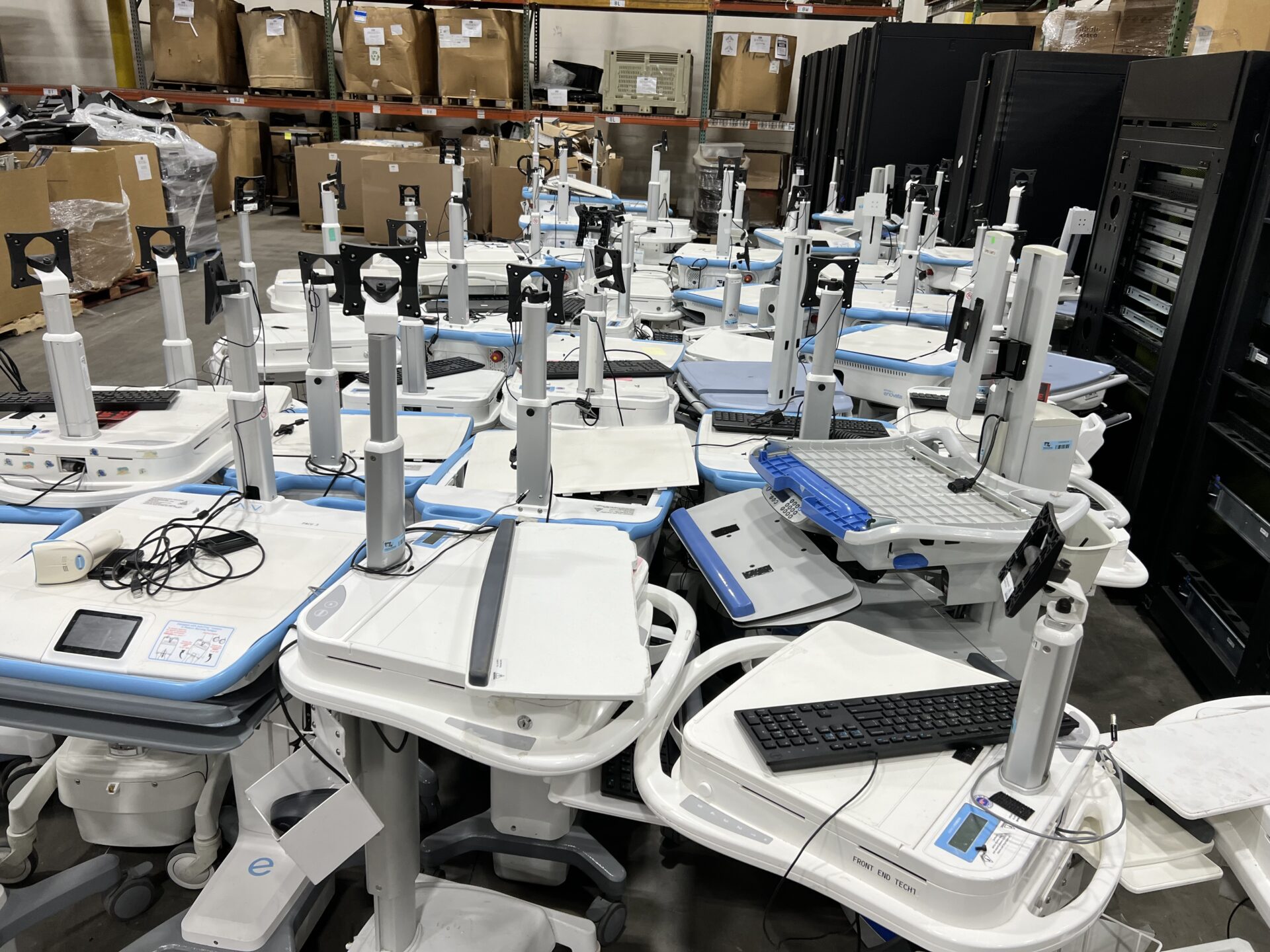
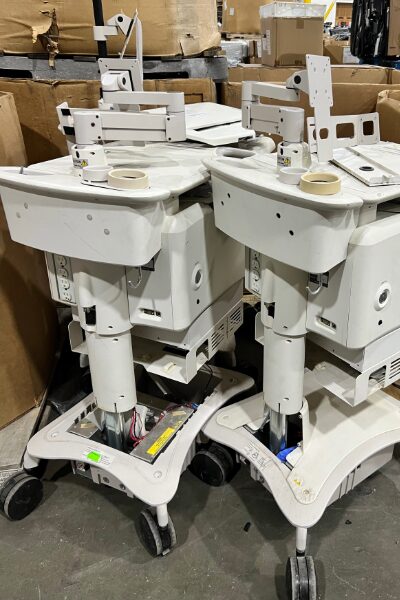 Among the HITECH Act’s requirements lies a critical aspect often overlooked: the secure destruction of data on medical equipment and any computers or electronic devices used in a medical setting.
Mishandling sensitive patient health information can lead to severe repercussions, including privacy breaches and financial penalties.
Secure data destruction involves the systematic and irreversible deletion of data from electronic devices, such as computer hard drives or data storage devices in medical equipment, to prevent unauthorized access or retrieval. This process is essential for protecting patient confidentiality and maintaining HITECH compliance.
Here’s how the HITECH Act is relevant to secure medical equipment recycling and data destruction:
- Protection of Patient Privacy:
The HITECH Act emphasizes the importance of protecting the privacy and confidentiality of patient health information. Securely destroying data ensures that sensitive information stored on computers and medical equipment is inaccessible to unauthorized individuals.
- Compliance With Regulatory Requirements:
Healthcare organizations must comply with the security and privacy standards outlined in the HITECH Act to avoid penalties and maintain regulatory compliance. Secure data destruction is crucial to these requirements, demonstrating adherence to best practices in safeguarding electronic health information.
 Risk Management and Data Breach Prevention:
Healthcare providers can mitigate the risk of data breaches and unauthorized access to patient information by implementing proper data destruction protocols. This proactive approach aligns with the HITECH Act’s objectives of enhancing data security and protecting individuals’ rights to privacy.
- Lifecycle Management of Medical Equipment:
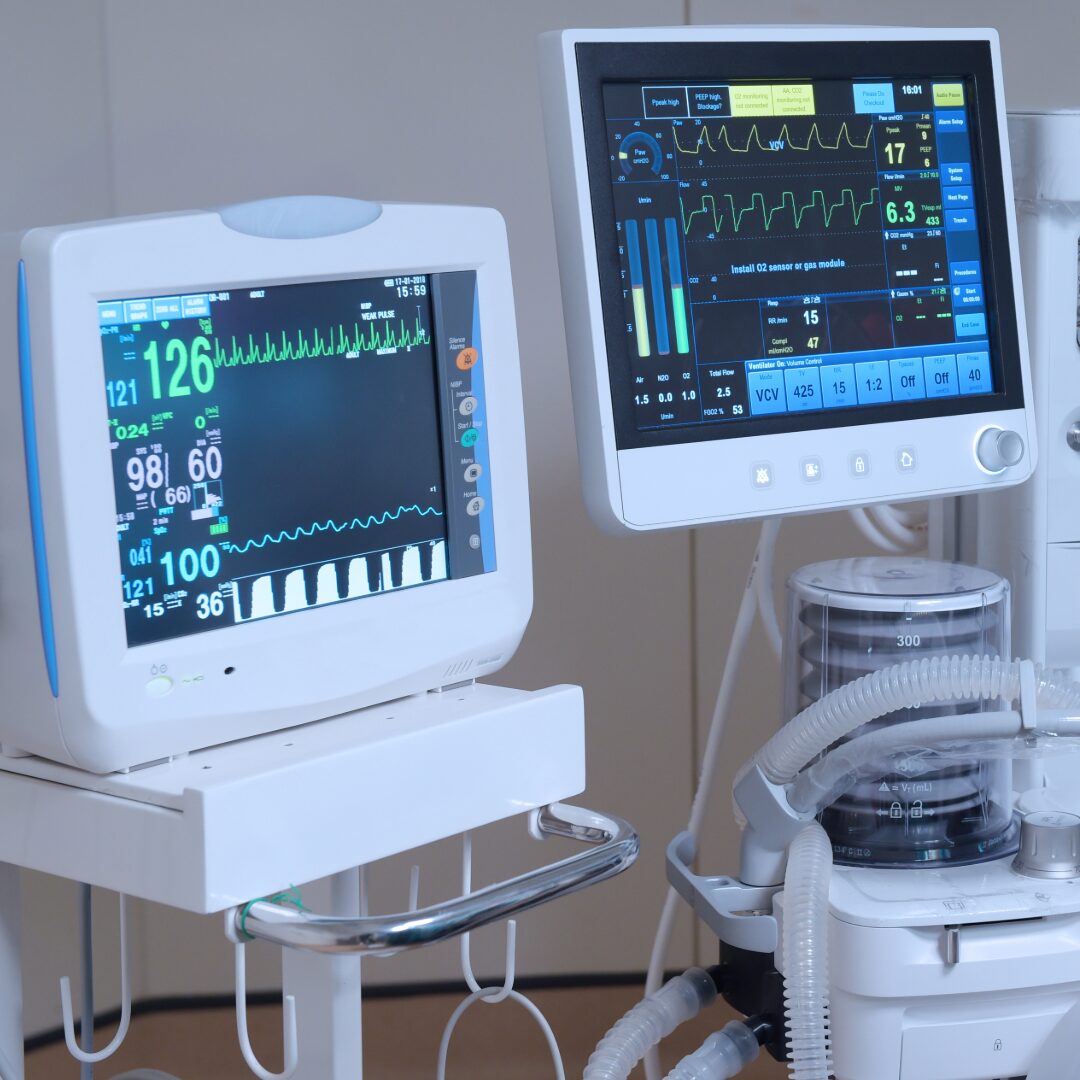
Medical devices and equipment often contain sensitive patient data, such as electronic health records (EHRs) or diagnostic images. When decommissioning or disposing of such equipment, healthcare facilities must ensure that all data stored on these devices is securely erased to prevent potential data breaches.
Securis Ensures HIPAA & HITECH Act Compliance With Reliable Medical Equipment Recycling Services
 As healthcare organizations continue to embrace innovative digital technologies to enhance patient care and administrative efficiency, protecting electronic health information will remain a top priority.
The HITECH Act serves as a cornerstone in safeguarding patients’ medical records and privacy, with provisions that extend to secure data destructionon computers and hard drives. This includes the encryption and transmission of data and its disposal at the end of its lifecycle.
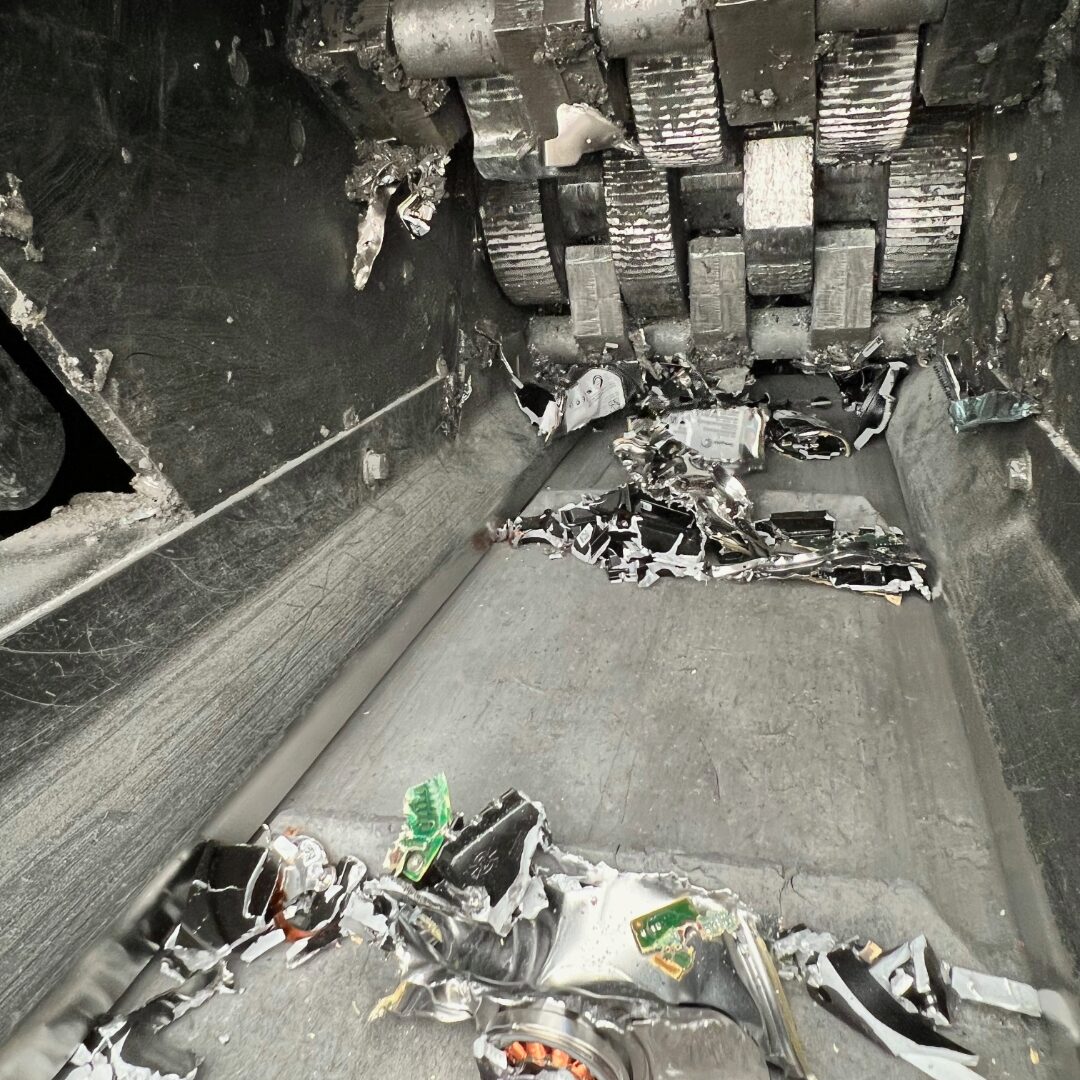
Secure medical equipment recycling and data destruction are essential to mitigate the risk of data breaches and safeguard patient privacy. When these electronic devices reach the end of their usefulness or are decommissioned, it is imperative to ensure that any stored electronic information is irreversibly erased to mitigate the risk of unauthorized access or data breaches.
By working with a fully compliant and experienced company like Securis, healthcare entities can uphold their obligations under the HITECH Act while fostering trust among patients and stakeholders in the digital healthcare landscape. Our transparent and trusted process from project analysis to project completion guarantees the proper disposal of electronic medical equipment and the secure destruction of its data.i.
We invite you to learn more about the data destruction process at Securis and how we can fulfill your medical asset disposal project.

Related Blogs
ITAD ROI: How IT Leaders Capture More Value Through Accurate, Fast, and Secure IT Asset Disposition
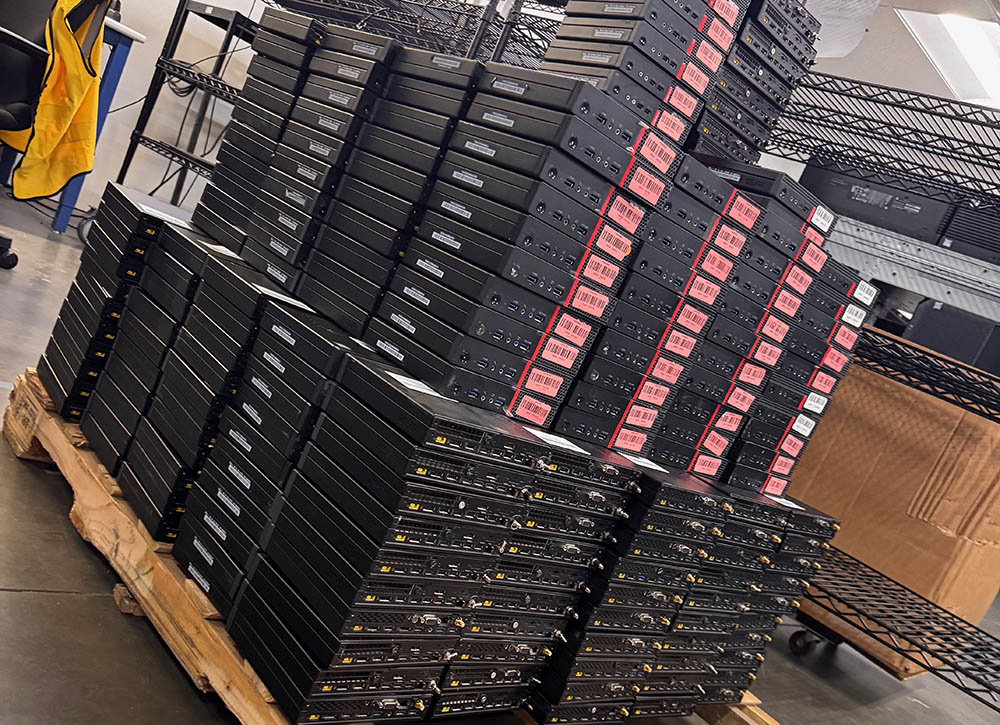
Posted Nov 26th,2025Desktop Computers Awaiting Testing at Securis Secure Value Recovery: How IT Leaders Unlock ROI Through Accurate, Fast, ...

The Untapped Goldmine in Your Old Tech
Posted Jul 22nd,2025How Secure IT Asset Value Recovery Pays Off Every IT department has that moment: a stack of laptops being phased out,...

Smart Data Center Decommissioning Strategies for a Secure, Accurate, and Sustainable Transition
Posted Jun 10th,2025Why Secure Data Center Decommissioning Matters More Than Ever Decommissioning a data center isn’t just about shutti...
Why Choose Securis? IT Asset Disposition That IT Pros Count On
Posted May 5th,2025IT Asset Disposition Data Breach? Not on our watch. Managing end-of-life IT assets without opening the door to se...
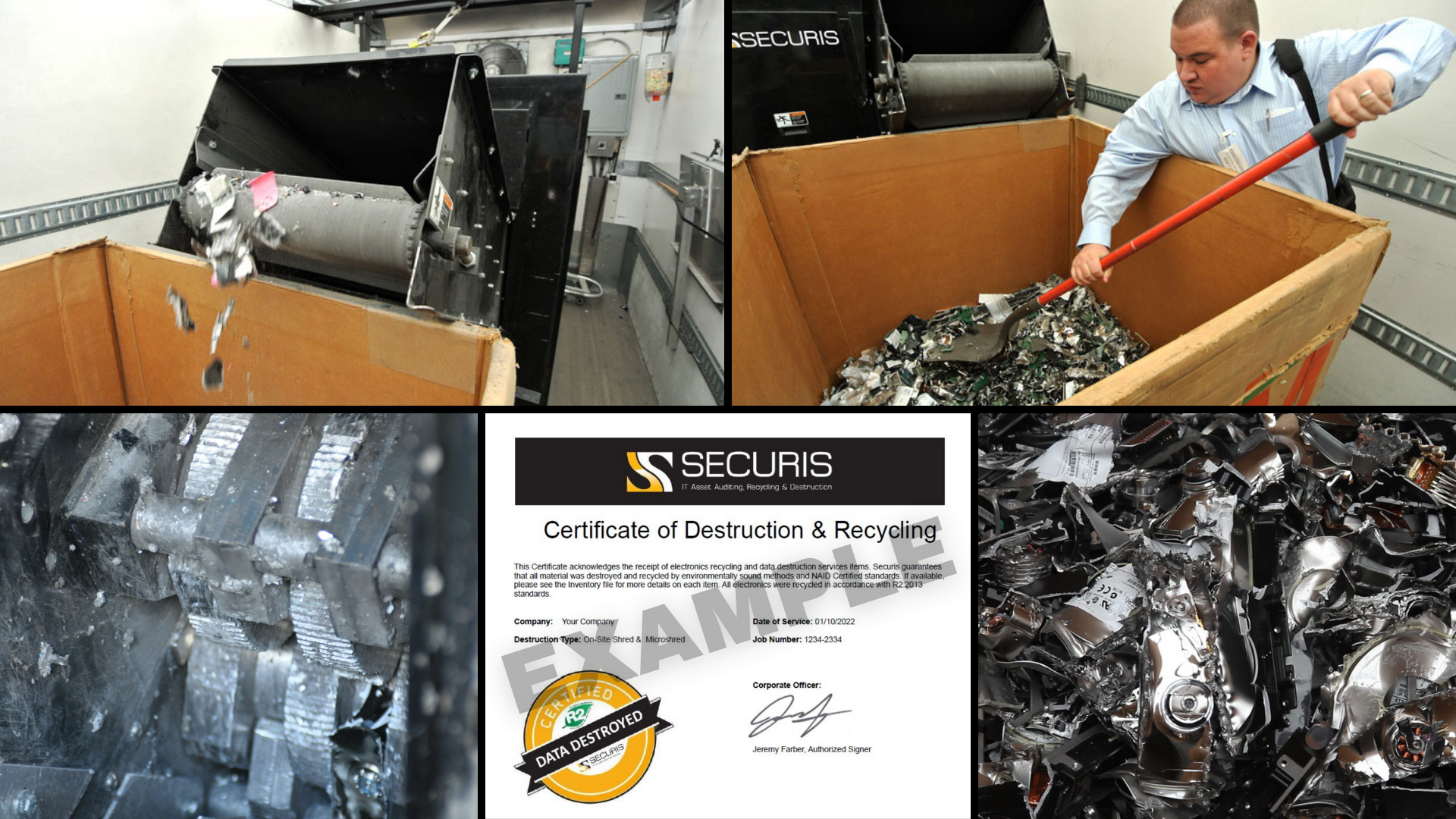
What is a Certificate of Data Destruction?
Posted Mar 26th,2025What Is a Certificate of Data Destruction—and Why It Matters to Your Organization A Certificate of Destruction is c...
Request for Proposal (RFP) for IT Asset Disposition (ITAD) services
Posted Mar 3rd,2025Creating a comprehensive Request for Proposal (RFP) for IT Asset Disposition (ITAD) services is crucial for organization...
How to Lower the Risk Associated with the Disposal of Organizational IT Assets
Posted Feb 4th,2025The transcript and the full video of the conversation between Kurt Greening, EVP at Securis, Greg Crabb, and Nick Crabb ...
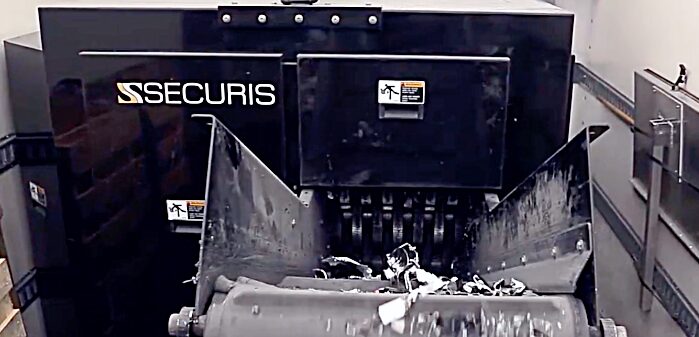
What are the Different Hard Drive Data Destruction Methods?
Posted Dec 19th,2024Data security has become a paramount concern for individuals and organizations in today's digital environment. As we acc...

The Relevance of the Sarbanes-Oxley Act to Data Destruction
Posted Nov 25th,2024The Sarbanes-Oxley Act of 2002 (SOX), primarily known for its stringent financial reporting and corporate governance reg...

Financial Institutions Need Secure Data Destruction Policies to Comply With The Gramm-Leach-Bliley Act (GLBA)
Posted Sep 27th,2024What is the Gramm-Leach-Bliley Act? Financial Institutions must comply with information security and privacy regulati...

How to Send ESG Ratings Up and Data Security Risk Down
Posted May 17th,2024Environmental, Social, and Governance (ESG) ratings are increasingly scrutinized in today's corporate landscape, leaving...

What Is R2 Certification in E-Waste Recycling?
Posted Feb 29th,2024R2 certification, established by Sustainable Electronics Recycling International (SERI), is a global standard for any R2...
Reusing Decommissioned Data Center Equipment
Posted Mar 31st,2023Data centers seem to be popping up everywhere. As they close or upgrade, it’s important to reuse as possible in the da...

Are We Being “Smart” or Creating More E-waste?
Posted Feb 13th,2023Our smart devices are ever-evolving, from our phones to our watches and everything in between. Many are trying to keep u...
Securis: Past, Present and Future of ITAD
Posted Jan 11th,2023It's 2023, and at Securis, we're looking forward to serving you with the best data destruction and end-of-life equipment...
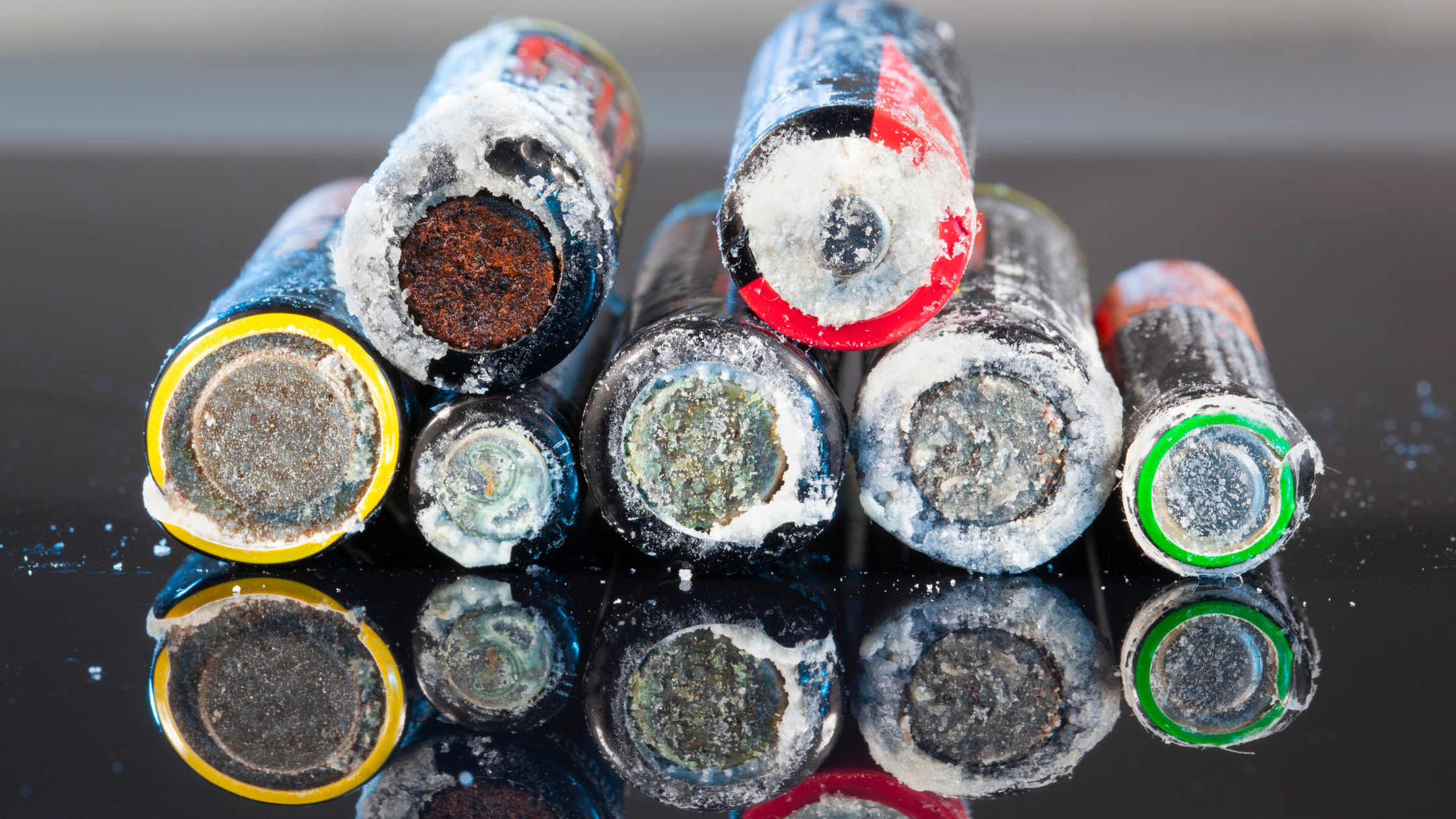
How Can I Recycle Batteries?
Posted Nov 23rd,2022While the easiest thing to do is toss old batteries into a garbage can, proper battery disposal methods are vital. Batte...
Learn from Morgan Stanley’s Data Breach: Use a Certified and Experienced ITAD Company
Posted Oct 26th,2022Have you tried to reduce costs when it’s time to get rid of old IT equipment? Morgan Stanley learned the hard way ...

Secure and Environmentally Safe Data Center Liquidation
Posted Sep 15th,2022The environment doesn’t usually come first in a data center operator’s priorities. While Securis recognizes the impo...
Working for a Company with Great Core Values
Posted May 18th,2022One of the most important aspects of hiring people to work with Securis is how potential employees fit in with the compa...

E-Waste Recycling for the Community with WUSA9
Posted Mar 2nd,2022We were proud to participate as the e-waste recycler for WUSA9’s #RecyclingMatters events this weekend. On Saturday, F...
The EPA's America Recycles Day is November 15, 2021
Posted Nov 13th,2021The Environmental Protection Agency (EPA) has announced that on America Recycles Day, they will release the final versio...
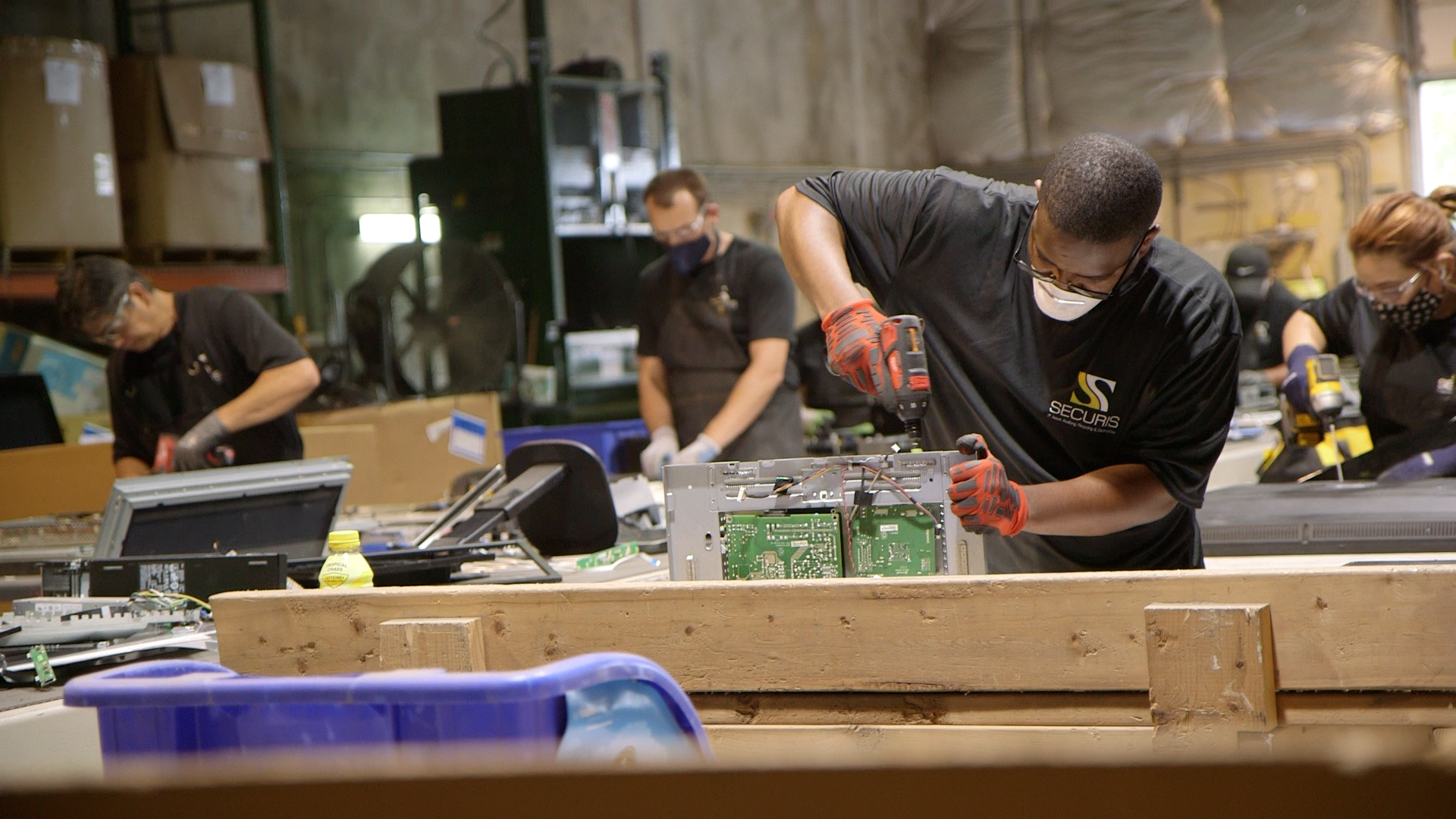
ITAD Company Securis Benefits from Workforce Diversity
Posted Sep 2nd,2021From the very beginning, Securis has prided itself on its commitment to diversity – not just in words, but in actions ...

Electronics Recycling Events to Celebrate Earth Day
Posted Apr 20th,2021This year, Earth Day is April 22, and people will celebrate by participating in ways to be better stewards of the earth....
What is the NSA Recommended SSD Shredded Particle Size?
Posted Feb 23rd,2021Sometimes, a standard shredder isn’t enough. For highly sensitive information, especially on smaller devices such as s...
Securis Hampton Roads Brings Cheer to Military Families
Posted Dec 11th,2020Securis is a company that takes its core values seriously. They are part of all that the company does – both on and of...

Securis is a Computer Recycling Leader in North Carolina
Posted Oct 13th,2020If the secret to real estate is “location, location, location,” then the secret for providing exemplary service to c...

Hampton Roads, VA Recycles 3,224 Pounds of IT Equipment in a Day
Posted Jul 9th,2020Securis' data destruction and electronics recycling facility in Hampton Roads, Virginia provides ongoing recycling servi...

How Does The U.S. Navy Handle Data Destruction In Hampton Roads, VA?
Posted May 27th,2020Hampton Roads is home to many of the nation's largest Naval Bases including Norfolk Naval Base, Oceana Naval Air Station...
What Is A Hard Drive & The Difference Between HDD and SSD
Posted Mar 24th,2020Hard Drive Definition A hard drive stores all your data, where all your files and folders are physically located. A typ...
The State of Cybersecurity in 2020
Posted Jan 2nd,2020Just two weeks shy of the new year, the US Navy announced a ban on TikTok, the popular video sharing app. Following the ...
8 Common HIPAA Violations and How to Avoid Them
Posted Sep 25th,2019Professionals in the medical industry are all too familiar with HIPAA and the responsibilities it brings. Failure to fol...
Top Five Human Errors That Impact Data Security
Posted Jun 3rd,2019Despite our security innovations, human folly continues to be the source of hacks and breaches. Just last year, vulnerab...

Humans Produce 125,000 Jumbo Jets Worth of E-Waste Every Year
Posted Mar 18th,2019According to a January, 2019 report from Davos, the world now produces 44.7 million tons of electronic waste every year....
Top 8 Cybersecurity Predictions for 2019
Posted Dec 28th,2018Data breaches continue to increase in scope and sophistication each year. That’s because cybercriminals stop at nothin...

Partnering With the Community
Posted Oct 10th,2018For eight years now, Securis has proudly participated in a program with a local high school. The program provides specia...
Finding an E-Waste Recycling Center
Posted Sep 4th,2018Technology is evolving faster than it ever has before. Most of us have reaped its benefits which, in many ways, have mad...
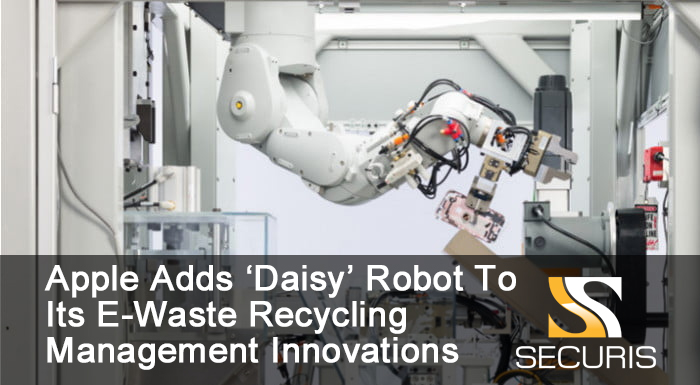
Apple Adds ‘Daisy’ to Its E-Waste Management Innovations
Posted Jul 9th,2018Apple is continuing its course to implement green processes in manufacturing and retail. As a symbolic move ahead of Ear...

Why Millions of CRT Screens Never Get Recycled
Posted Mar 1st,2018Although CRT TV's and monitors have become a thing of the past for most consumers, there are still many stockpiles of CR...
Is It Better to Repair or Replace Devices?
Posted Jan 3rd,2018If you take a look at the most popular devices today, you'll notice that most, if not all, of them, are very hard to rep...
What's On Your Wrist Might Be A Security Risk
Posted Nov 7th,2017In this day and age, people and businesses alike have more security concerns to worry about than ever before. We all car...

America’s Electronic Waste Problem
Posted Mar 22nd,2017Americans and their businesses wait for days, stand in long lines, and spend millions of dollars on new equipment every ...

Celebrating Earth Day with Electronics Recycling
Posted May 2nd,2016After the 1969 oil spill in Santa Barbara, a U.S. senator organized a nationwide demonstration against environmental po...

Data Destruction Franchise Owner Featured on CBS Local
Posted Nov 19th,2015Central Maryland Securis franchise owner Hugh McLaurin has been featured on CBS Local. McLaurin shares advice for others...

Securis is Giving Back To The Community
Posted Nov 10th,2014Securis is a big believer in giving back to the community and regularly participates in fundraisers and public events. ...
Bloomberg BusinessWeek: "The Complex Business of Recycling E-Waste."
Posted Apr 3rd,2014From BloombergBusinessWeek's CEO Tech Guide to Sustainable Business Practices comes this very informative article on, "T...
Destroying Solid State Drives-- Size Does Matter
Posted Oct 29th,2012Companies that are storing and utilizing massive amounts of data are finding solid-state drives (SSDs) enticing as an al...
Securis Wins Award
Posted May 3rd,2011Securis, Inc. was chosen to receive the 2010 Fairfax County Public Schools Career Connections award. Last month, in Secu...