
Top Five Human Errors That Impact Data Security
Despite our security innovations, human folly continues to be the source of hacks and breaches. Just last year, vulnerabilities were found in Android’s API that allowed cyber attackers to access device data and user tracking. Social network Google Plus was forced to shut down after a major profile data leak that went undisclosed for months. And most recently, Facebook faced another privacy breach, this time affecting 1.5 million users.
This wasn’t the fault of some system or AI. This is an oversight by the world’s greatest engineers and developers. If it can happen to companies like Google and Facebook, it can happen to small startups and growing enterprises.
So what are the main reasons that data security is impacted?
1. Unauthorized user or application access
According to Cisco, 44% of IT professionals have dealt with unauthorized network access or unsupervised device sharing. 70% believe that unauthorized programs resulted in “as many as half of their companies’ data loss incidents.”
It’s no surprise- with the surge of mobile devices and laptops, anyone can access a secure portal from almost anywhere. Friends and family may use an employee’s login without their approval, or even their notice.
2. Falling for scams, trojans, phishing sites
Even emails that appear innocuous could potentially devastate a company’s entire system. In the Check Point Research Security Report of 2018, 64% of organizations faced some sort of phishing attack in the previous year. Verizon reported that 28% of phishing attacks are targeted.
Phishing attacks, scams, and trojans underscore the importance of robust firewalls and anti-virus software. Each week hackers are inventing new ways to trick people into letting their digital safeguard down. That’s why it’s vital to maintain updated security measures and to constantly remind users to be wary of these attacks.
3. Lack of cryptographic or high-level security
You would be astonished to find out how many businesses fail to uphold even the most basic privacy standards. And it’s not just Instagram. In fact, there’s a whole website dedicated to companies that email you your own password, a list called Plain Text Offenders. This careless habit opens up websites to a multitude of data breaches.
That’s also why 2FA or “two-factor authentication” has become so popular recently. With an added layer of protection, the most common attacks can be easily prevented. Encryption is also important, especially in sending and receiving information, to ensure that only the sender and the recipient are allowed to view the contents of a message.
4. Failure to properly dispose of data
Don’t think that just because you delete your data and or password protected a device that your information is safe because it’s not. Even when you dispose of an old computer or phone, there’s still a small likelihood that hackers can gain access to your photos, messages, emails, contacts, and other sensitive information.
Never run that risk. Whenever possible, hire a reputable company to properly destroy these devices in a safe manner. Only then can you sleep soundly knowing that hackers aren’t trying to pry into your recycle bin.
5. Untrained or undertrained employees
Above all, sheer ignorance is the root cause of security breaches. Whether it’s an employee forgetting to lock their computer, or a developer that forgot to implement a second layer of authentication, you can never be too careful in training your employees.
As soon as you hire each new member, conduct a rigid test on your IT security. Educate them on the best practices of handling sensitive information, as well as protecting IT systems the right way. Consider having a dedicated cybersecurity team to handle the most urgent security issues, and to also conduct regular maintenance checks to prevent any leaks.
Brave new world
We’re living in an era of rapid connectivity, social interaction, cloud storage and computation, and even artificial intelligence. Who knows what the future will hold ten, twenty years from now. Perhaps our most robust systems of protection like 2FA and cryptography will prove worthless. Only time will tell.
Until then, there should be no excuse for any company not to employ the highest standards of cybersecurity. You may feel inconvenienced at the time and cost involved. But think of the consequences involved if ever your business faced a major data breach. It could spell the end of your company altogether. Train your employees. Protect your systems. Update your software regularly. And if you’re ever lost on how to best protect your data, work with a trusted partner like Securis.

Related Blogs
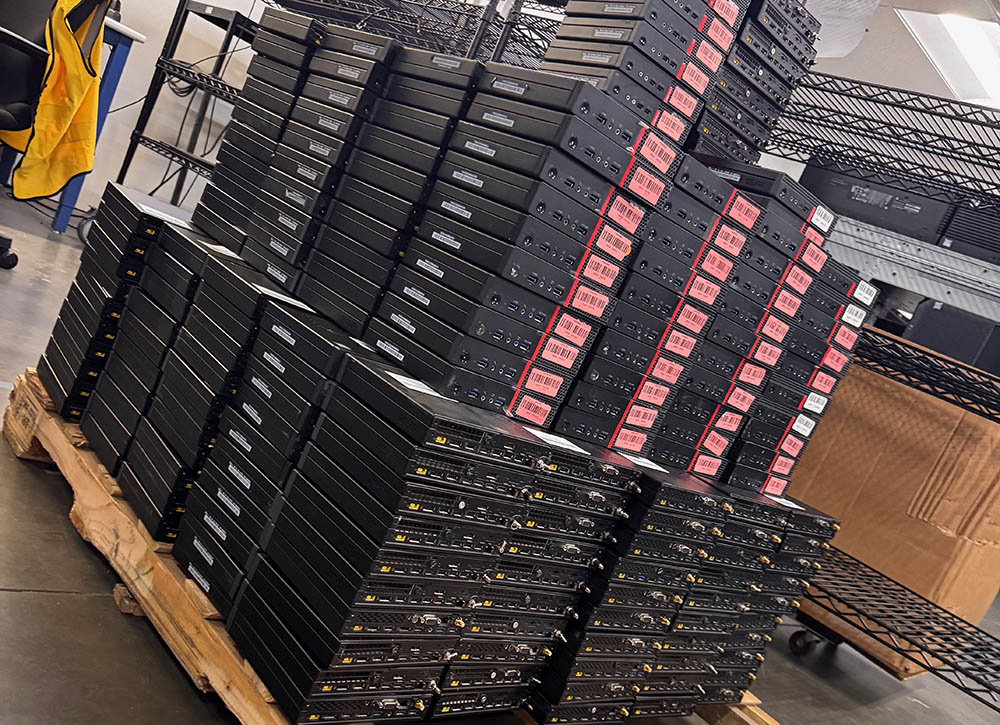
ITAD ROI: How IT Leaders Capture More Value Through Accurate, Fast, and Secure IT Asset Disposition
Posted Nov 26th,2025Desktop Computers Awaiting Testing at Securis Secure Value Recovery: How IT Leaders Unlock ROI Through Accurate, Fast, ...

The Untapped Goldmine in Your Old Tech
Posted Jul 22nd,2025How Secure IT Asset Value Recovery Pays Off Every IT department has that moment: a stack of laptops being phased out,...

Smart Data Center Decommissioning Strategies for a Secure, Accurate, and Sustainable Transition
Posted Jun 10th,2025Why Secure Data Center Decommissioning Matters More Than Ever Decommissioning a data center isn’t just about shutti...
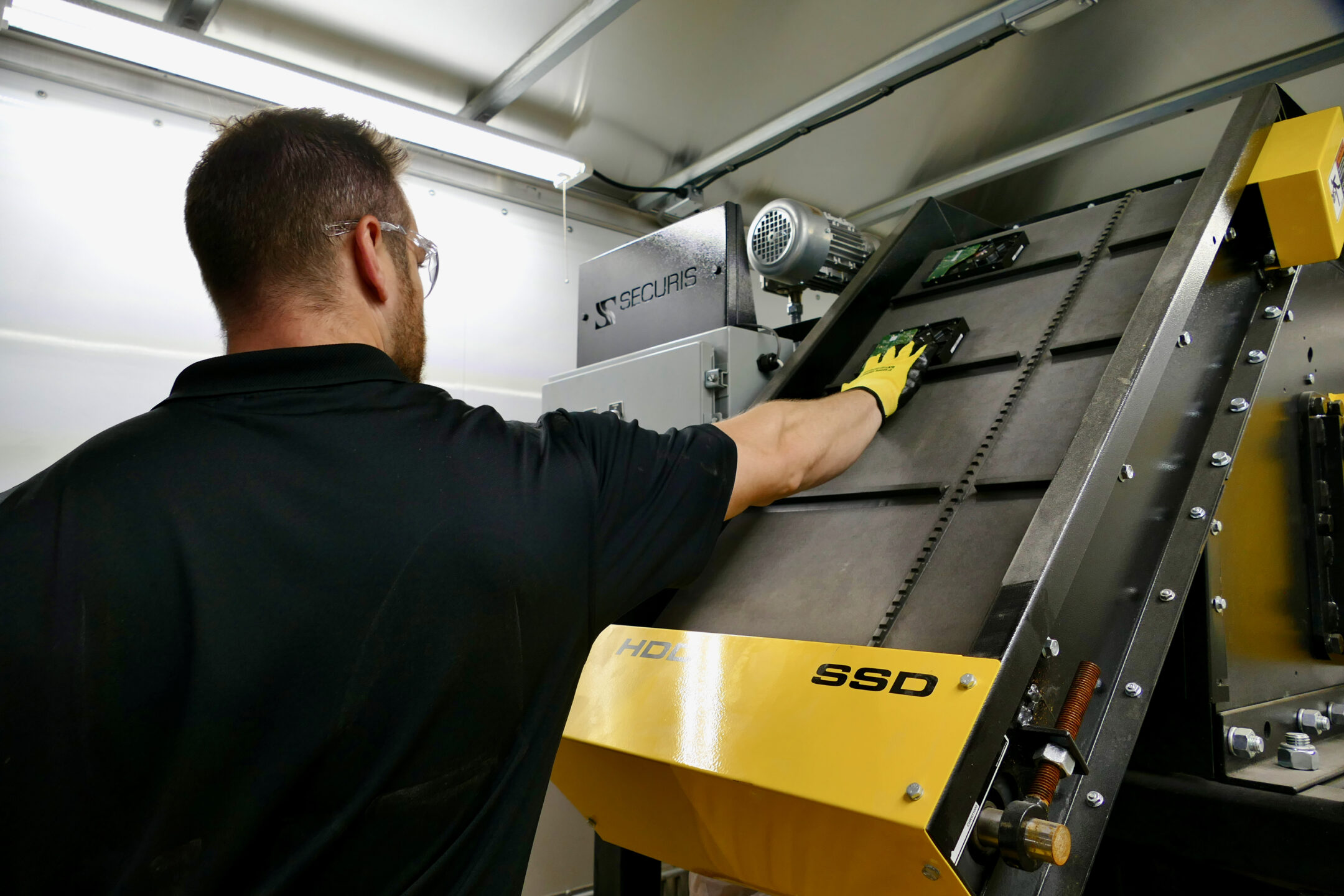
Why Choose Securis? IT Asset Disposition That IT Pros Count On
Posted May 5th,2025IT Asset Disposition Data Breach? Not on our watch. Managing end-of-life IT assets without opening the door to se...
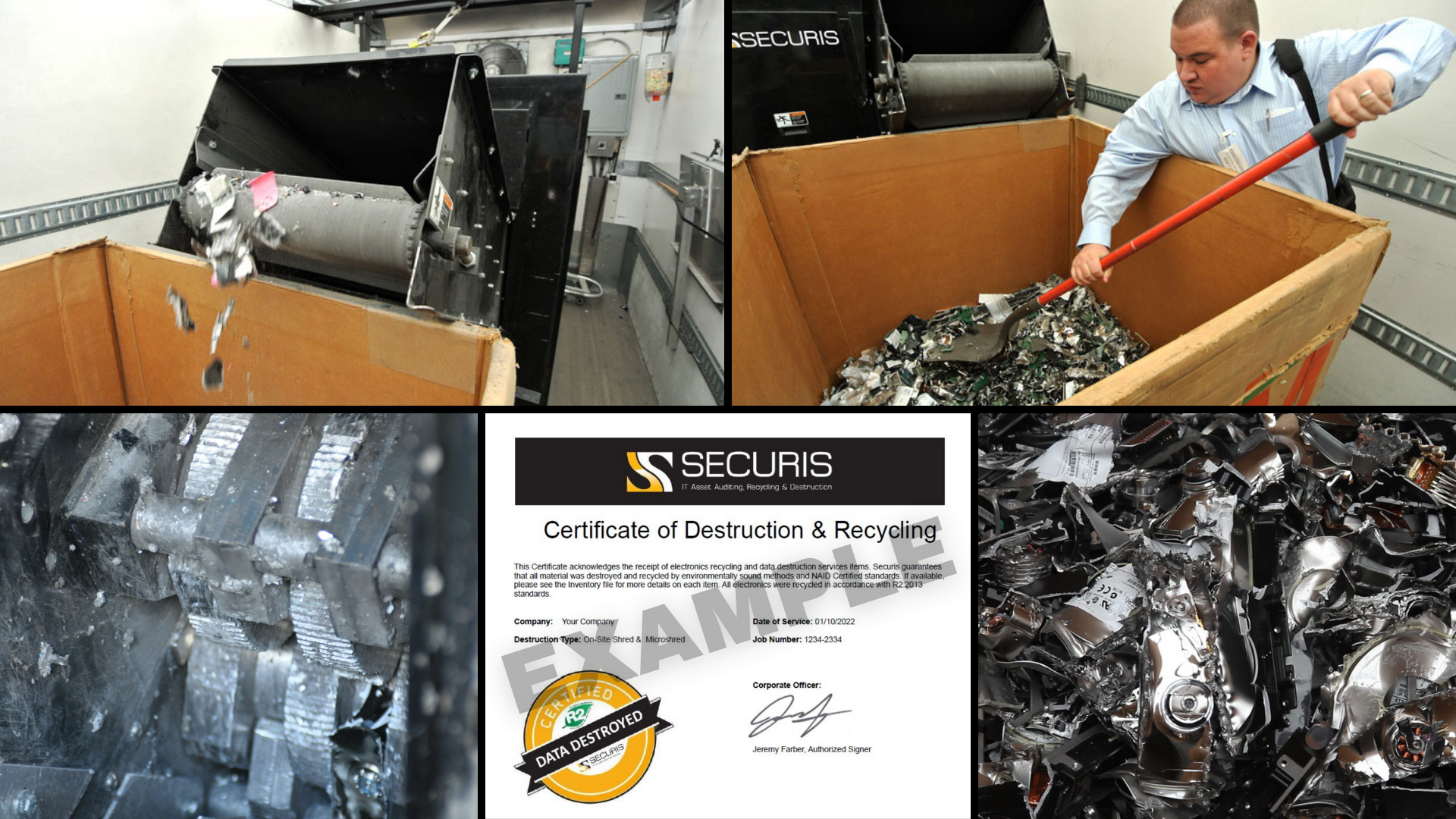
What is a Certificate of Data Destruction?
Posted Mar 26th,2025What Is a Certificate of Data Destruction—and Why It Matters to Your Organization A Certificate of Destruction is c...
Request for Proposal (RFP) for IT Asset Disposition (ITAD) services
Posted Mar 3rd,2025Creating a comprehensive Request for Proposal (RFP) for IT Asset Disposition (ITAD) services is crucial for organization...
How to Lower the Risk Associated with the Disposal of Organizational IT Assets
Posted Feb 4th,2025The transcript and the full video of the conversation between Kurt Greening, EVP at Securis, Greg Crabb, and Nick Crabb ...
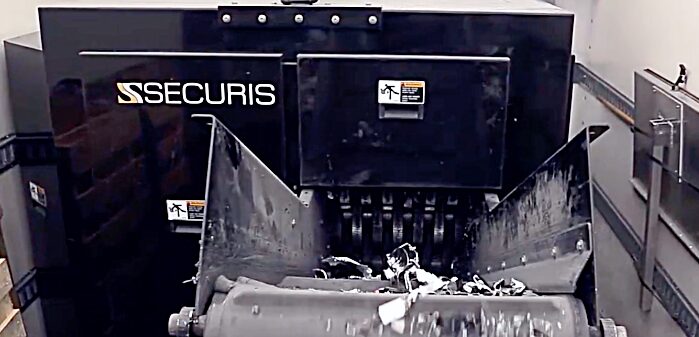
What are the Different Hard Drive Data Destruction Methods?
Posted Dec 19th,2024Data security has become a paramount concern for individuals and organizations in today's digital environment. As we acc...

The Relevance of the Sarbanes-Oxley Act to Data Destruction
Posted Nov 25th,2024The Sarbanes-Oxley Act of 2002 (SOX), primarily known for its stringent financial reporting and corporate governance reg...

Financial Institutions Need Secure Data Destruction Policies to Comply With The Gramm-Leach-Bliley Act (GLBA)
Posted Sep 27th,2024What is the Gramm-Leach-Bliley Act? Financial Institutions must comply with information security and privacy regulati...

HITECH Compliance: Secure Medical Equipment Recycling & Data Destruction
Posted Jun 10th,2024In this article, learn: What is the HITECH Act? How do medical equipment recycling and data destruction support ...
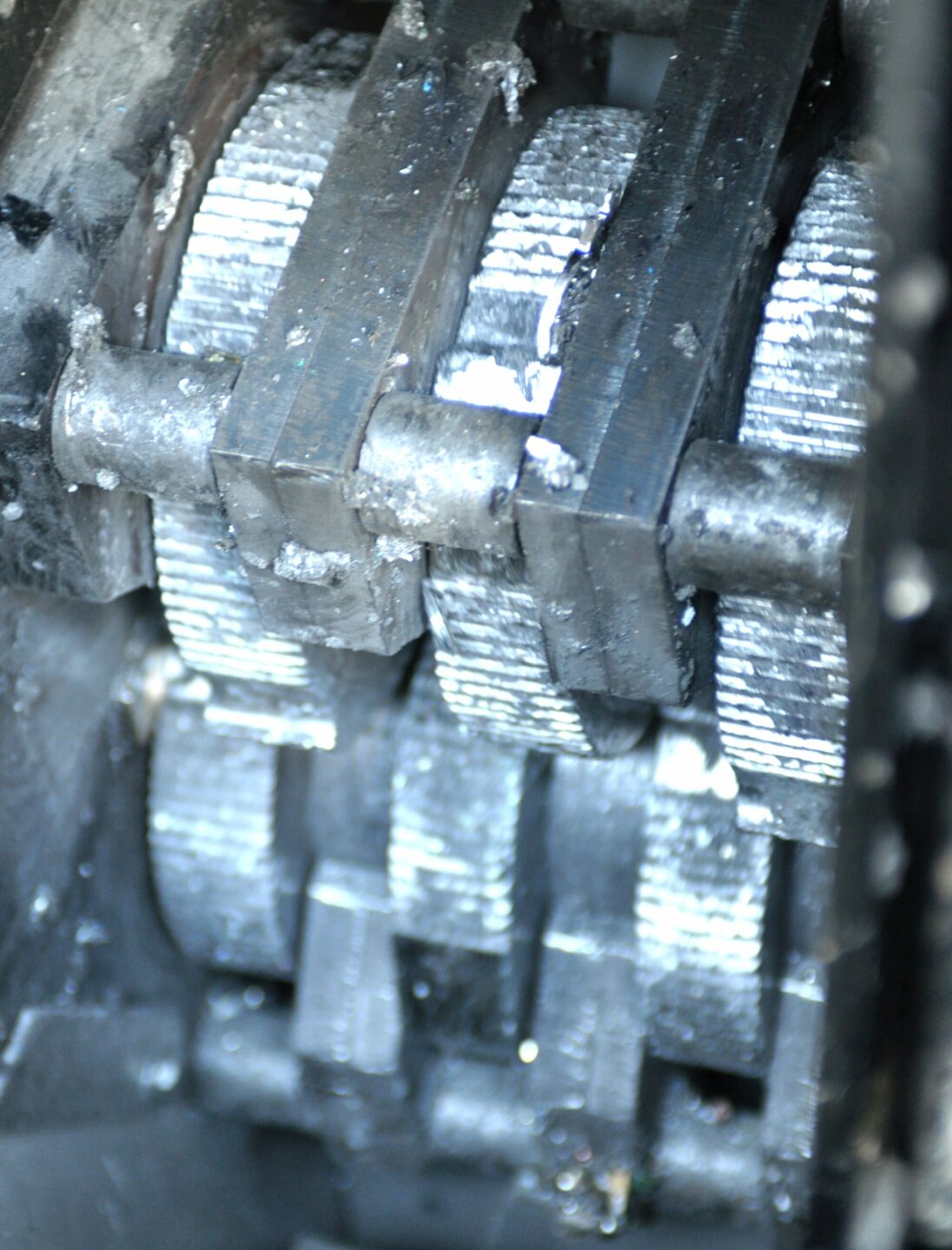
How Are Magnetic Hard Drives Shredded?
Posted Mar 7th,2024Quite a few customers have asked us exactly how we shred a hard drive. To help explain this, below are the steps that a ...
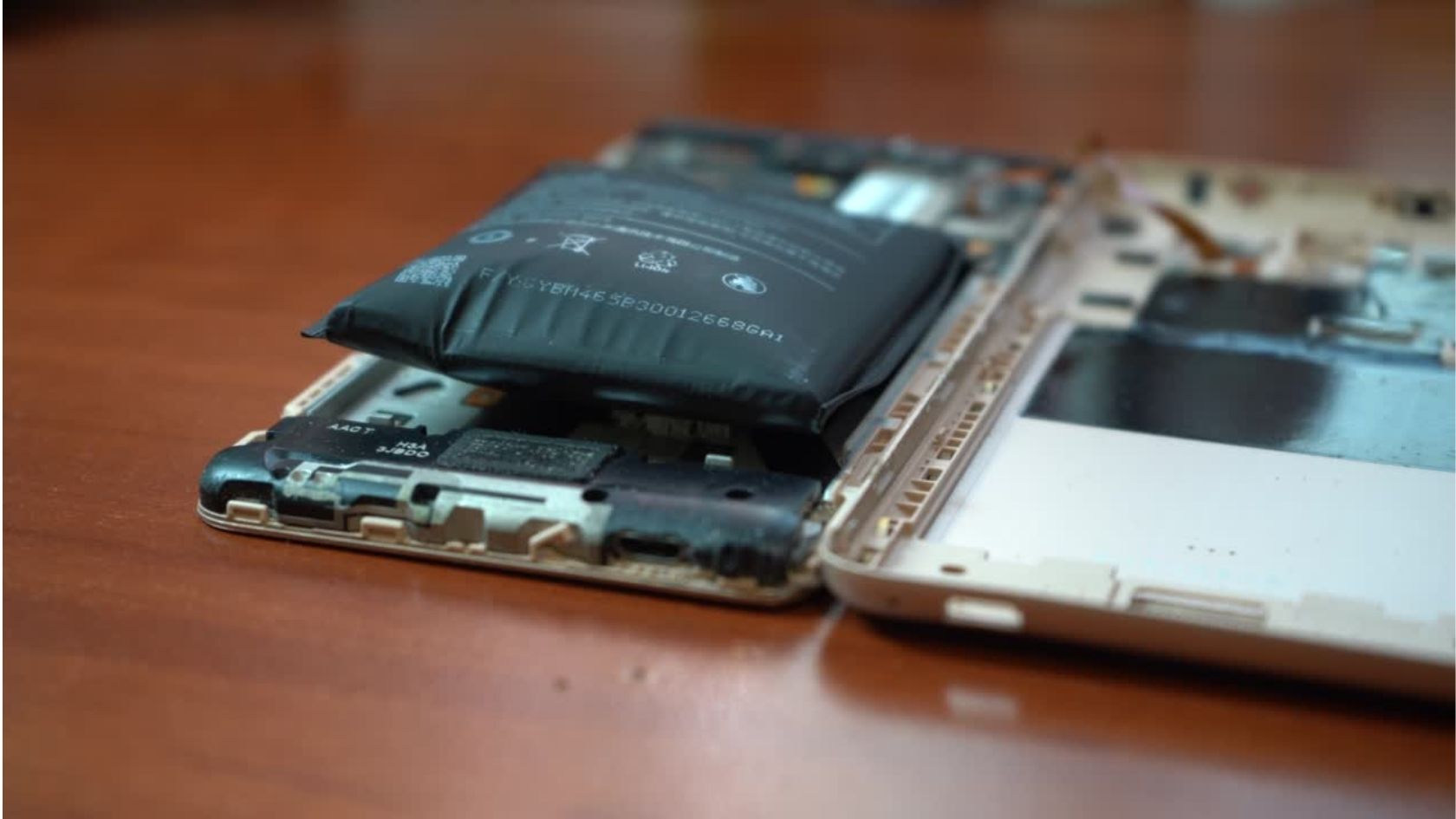
How to Recycle Batteries for IT Directors
Posted Apr 21st,2023Batteries are not only bad for the environment when we toss them in the trash, but they can be explosive. Varying types ...

What is ESG and Why is it Important?
Posted Feb 28th,2023ESG has become a buzz term in the ITAD industry- but what does it mean? ESG stands for environmental, social, and corpor...
Securis: Past, Present and Future of ITAD
Posted Jan 11th,2023It's 2023, and at Securis, we're looking forward to serving you with the best data destruction and end-of-life equipment...
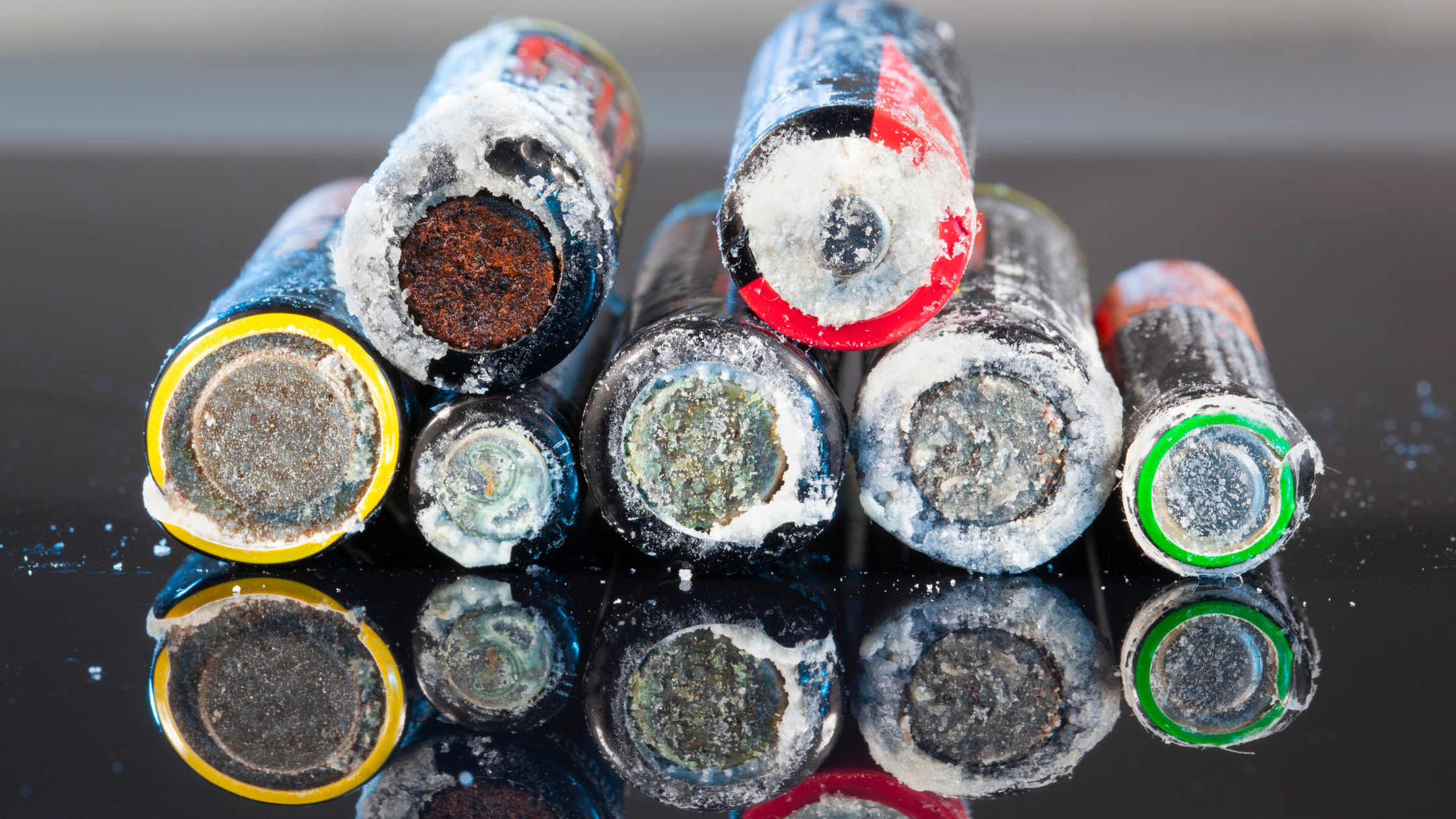
How Can I Recycle Batteries?
Posted Nov 23rd,2022While the easiest thing to do is toss old batteries into a garbage can, proper battery disposal methods are vital. Batte...
Learn from Morgan Stanley’s Data Breach: Use a Certified and Experienced ITAD Company
Posted Oct 26th,2022Have you tried to reduce costs when it’s time to get rid of old IT equipment? Morgan Stanley learned the hard way ...

Secure and Environmentally Safe Data Center Liquidation
Posted Sep 15th,2022The environment doesn’t usually come first in a data center operator’s priorities. While Securis recognizes the impo...

Working for a Company with Great Core Values
Posted May 18th,2022One of the most important aspects of hiring people to work with Securis is how potential employees fit in with the compa...

E-Waste Recycling for the Community with WUSA9
Posted Mar 2nd,2022We were proud to participate as the e-waste recycler for WUSA9’s #RecyclingMatters events this weekend. On Saturday, F...
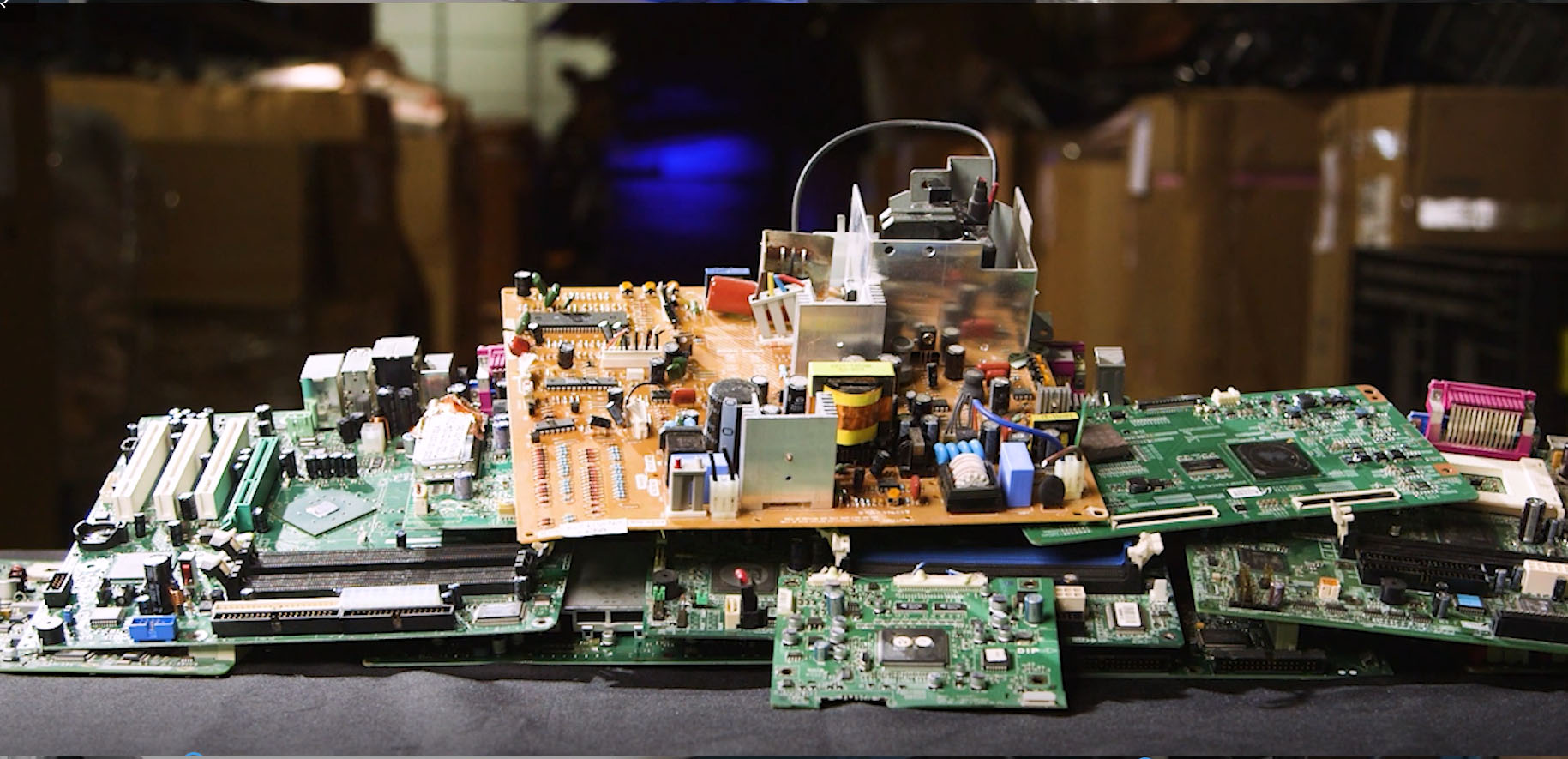
The EPA's America Recycles Day is November 15, 2021
Posted Nov 13th,2021The Environmental Protection Agency (EPA) has announced that on America Recycles Day, they will release the final versio...

ITAD Company Securis Benefits from Workforce Diversity
Posted Sep 2nd,2021From the very beginning, Securis has prided itself on its commitment to diversity – not just in words, but in actions ...

Electronics Recycling Events to Celebrate Earth Day
Posted Apr 20th,2021This year, Earth Day is April 22, and people will celebrate by participating in ways to be better stewards of the earth....
What is the NSA Recommended SSD Shredded Particle Size?
Posted Feb 23rd,2021Sometimes, a standard shredder isn’t enough. For highly sensitive information, especially on smaller devices such as s...

Securis Hampton Roads Brings Cheer to Military Families
Posted Dec 11th,2020Securis is a company that takes its core values seriously. They are part of all that the company does – both on and of...

Securis is a Computer Recycling Leader in North Carolina
Posted Oct 13th,2020If the secret to real estate is “location, location, location,” then the secret for providing exemplary service to c...

Hampton Roads, VA Recycles 3,224 Pounds of IT Equipment in a Day
Posted Jul 9th,2020Securis' data destruction and electronics recycling facility in Hampton Roads, Virginia provides ongoing recycling servi...

How Does The U.S. Navy Handle Data Destruction In Hampton Roads, VA?
Posted May 27th,2020Hampton Roads is home to many of the nation's largest Naval Bases including Norfolk Naval Base, Oceana Naval Air Station...
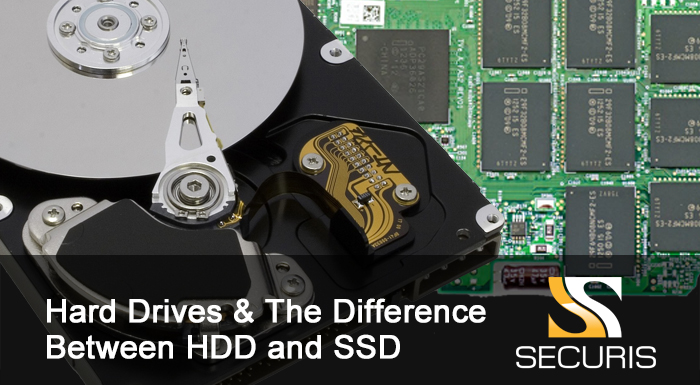
What Is A Hard Drive & The Difference Between HDD and SSD
Posted Mar 24th,2020Hard Drive Definition A hard drive stores all your data, where all your files and folders are physically located. A typ...
The State of Cybersecurity in 2020
Posted Jan 2nd,2020Just two weeks shy of the new year, the US Navy announced a ban on TikTok, the popular video sharing app. Following the ...
8 Common HIPAA Violations and How to Avoid Them
Posted Sep 25th,2019Professionals in the medical industry are all too familiar with HIPAA and the responsibilities it brings. Failure to fol...
How to Find a Responsible E-Waste Partner
Posted May 29th,2019How many times have you upgraded your smartphone over the last 5 years? If you’re an average tech enthusiast, chances ...

Dell Recycles 2 Billion Pounds of E-Waste
Posted Mar 5th,2019There can be no doubt that the technological advancements of the digital age have produced a myriad of benefits. Acc...
How Artificial Intelligence Can Improve Data Security
Posted Dec 4th,2018Digitization has brought tremendous benefits to multiple industries, including trade, banking, and healthcare, but it ha...

The Rise of the Recycled Metal Market
Posted Oct 10th,2018Metal recycling has become an increasingly important factor in environmental as well as economic outcomes. After all, me...
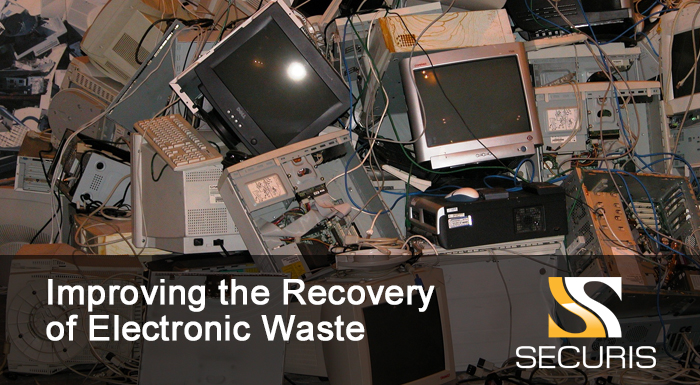
Improving the Recovery of E-Waste
Posted Aug 29th,2018Now more than ever, it’s important for the world to embrace healthy recycling practices and pass stronger policies to ...
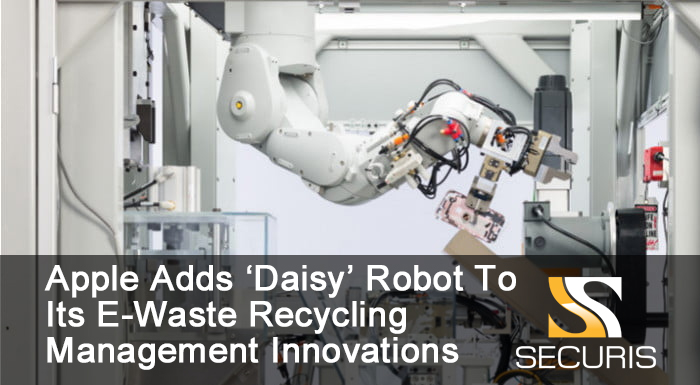
Planned IT Obsolescence Poses an Environmental Threat
Posted Jul 2nd,2018It turns out, planned obsolescence is not only harmful to a consumer’s wallet; it’s a considerable danger to the env...
E-Scrap Processor Caught with a FORGED R2 Certificate
Posted Feb 19th,2018The electronics recycling industry is a heavily regulated industry that requires companies to gain certifications to ens...

Securis Giving Back and Being of Service
Posted Dec 18th,2017The holidays are a wonderful time to reflect on giving back and being of service to support our local and global communi...

Wiping Isn’t Enough, You Must Destroy Data to Protect Your Data
Posted Sep 20th,2017Unlike the movies from the 1980s would lead us to believe, wiping a hard drive doesn’t remove the information from it ...
Five Reasons to Shred Your Old Smartphones
Posted Nov 29th,2016Smartphones can connect to almost every part of your business network, every file and email, dashboards, apps, and all o...

Great Video on E-Waste Not being Recycled Correctly
Posted Apr 6th,2016We came across this powerful story as another reminder of why we should care about what happens to our old electronic eq...

Securis and 6th graders – What’s the Deal?
Posted Nov 13th,2015Securis and 6th graders – What’s the deal? A group of enthusiastic 6th graders recently visited the Chantilly VA l...

Featured on Technical.ly Baltimore
Posted Aug 27th,2014Securis franchise owners George Parks and Daniel Dodd, who own and operate the data destruction and electronics recycli...
Asset disposal process for solid state drives
Posted Sep 25th,2013We ran across a compelling article on Inside Analysis called, "Is Spinning Disk About to Die?" which argues we may be at...
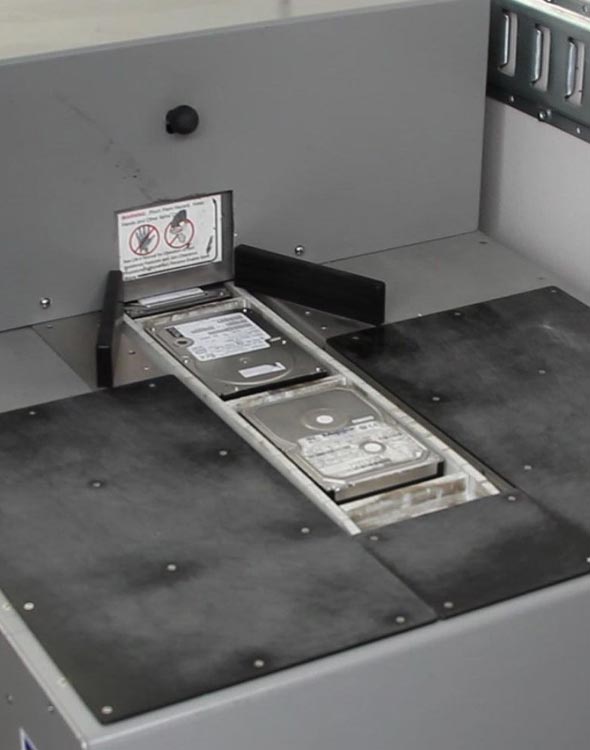
Electronics Recycling FAQs
Posted Apr 6th,2012Why Should I Recycle? Most electronic consumers in the United States do not realize the impact of e-waste on the local ...