R2v3 is a comprehensive sustainability certification assuring the highest global electronics reuse and recycling standards.
 In today’s fast-paced technological environment, businesses must effectively manage and dispose of outdated electronic assets, including computers, tablets, smartphones, and storage devices. This process, known as asset disposition, is essential for keeping equipment current while ensuring the safe and environmentally compliant handling of electronic waste (e-waste). Partnering with an R2v3-certified e-waste recycling company is the most secure and cost-effective approach to managing the inevitable IT refreshes that your company will need.
When evaluating potential providers for responsible e-waste disposal, verifying their claims regarding secure data destruction and environmentally friendly recycling practices is crucial. How can you know if they are being truthful? R2v3 certification is a reliable indicator that a vendor meets stringent requirements for electronics recycling and refurbishment. For some companies, R2v3 certification is a nice to-have feature, but Federal agencies are required to dispose of electronic assets in an environmentally responsible way as outlined in GSA Bulletin FMR B-34 Disposal of Federal Electronic Assets. FMR B-34 requires Federal Electronic Asset (FEA) recyclers to be R2 certified.
The R2v3 certification is not merely a management system but a comprehensive sustainability standard aimed at achieving positive outcomes in electronic waste management. As an R2v3 Certified Facility, we undergo independent audits to ensure compliance with the highest global electronics reuse and recycling standards. In addition, any services we perform nationwide via our mobile services adhere to the same strict standards, with all assets returned to our facility for responsible R2 certified recycling.
What is R2v3 Certification?
 The Responsible Recycling (R2v3) certification is a globally acknowledged electronics recycling and refurbishment standard. Developed by Sustainable Electronics Recycling International (SERI), the R2v3 standard mandates that certified facilities adhere to strict environmental, health, safety, and data security protocols. It is the most widely adopted sustainability standard for electronics recycling and refurbishment, applicable to facilities of all sizes and locations.
What is the Difference between R2 and R2v3 Certification?
R2 and R2v3 are both certifications for responsible electronics recycling, but R2v3 is the latest and more comprehensive version. R2 (Responsible Recycling) was initially developed in 2008 and has undergone several iterations. R2v3, released in 2020, is the most recent version of the standard. R2v3 expands on the original R2 standard with more stringent and detailed requirements in areas of data security, specialty processes, facility certification (R2v3 requires each individual facility to be certified independently, unlike previous versions that allowed multiple sites under one certification), strengthened environmental health and safety standards and heightened downstream tracking requirements. While R2 and R2v3 certifications aim to ensure responsible electronics recycling, R2v3 represents a significant upgrade with more comprehensive, flexible, and stringent requirements to address modern industry challenges and environmental concerns.
 One of the primary concerns in asset disposition is ensuring data security in ITAD.
  Many companies have corporate social responsibility (CSR) considerations to fulfill. They must adhere to electronic waste disposal standards and e-waste legal regulations, ensuring that hazardous material disposal is properly managed. They must also implement best practices for recycling electronic waste that maximize material recovery and reuse, and minimize landfill use. Making headlines for
  Partnering with an R2v3 certified recycler enhances a company’s reputation by demonstrating a commitment to responsible e-waste management. This builds trust with customers, stakeholders, and employees and aligns with corporate social responsibility (CSR) initiatives.
  R2v3-certified companies follow standardized and transparent processes for e-waste management compliance. This includes thorough documentation and reporting, which is essential for auditing and tracking purposes. Strict chain of custody controls and downstream due diligence documentation is required, including the tracking of all electronic materials from receipt to final disposition, documentation of downstream recycling partners and their practices as well as verification of final material disposition.
 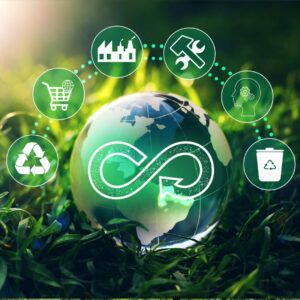 By partnering with an R2v3-certified recycler, companies can also realize economic benefits. R2v3 certified recyclers must efficiently recover valuable materials from e-waste, which can be refurbished and resold, thus reducing the overall cost of asset disposition. Having an R2v3 certification supports a circular economy, meaning that a vendor will ensure that all devices are used as long as possible, and then when devices can no longer be used, refurbish electronic devices and their components wherever possible. At the true end of life, a circular economy means recovering materials so they can become part of something new, whether that’s a new electronic device or something entirely different.